












Daftar Isi
Introduction
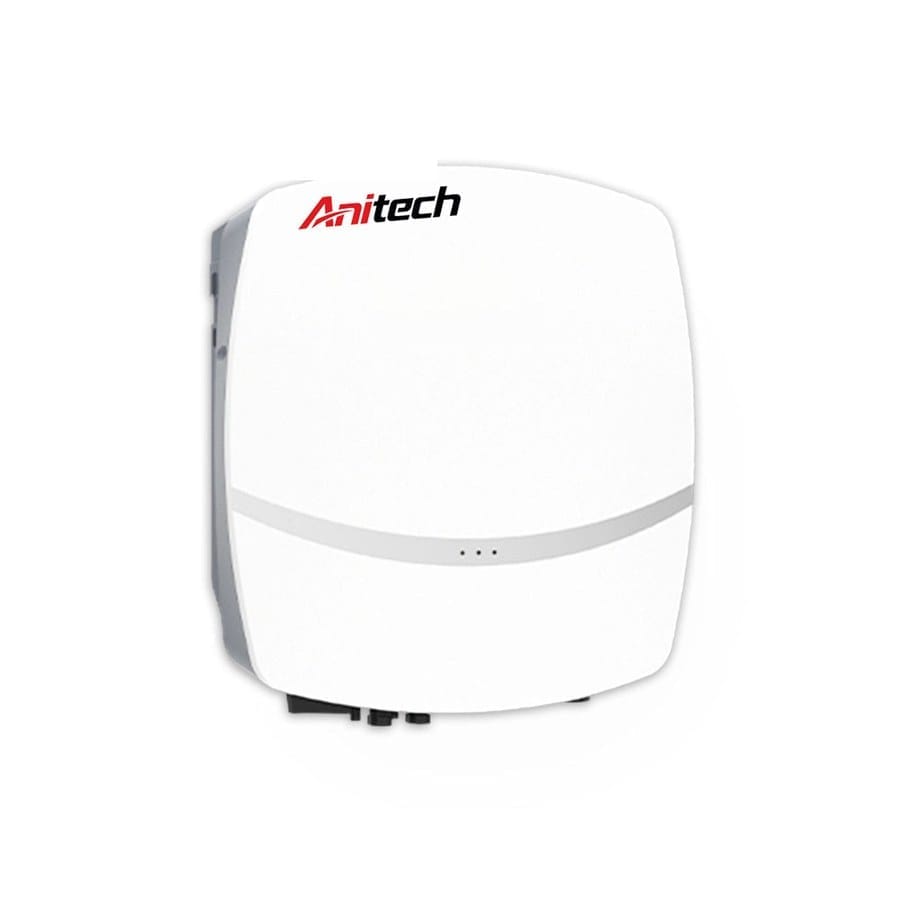
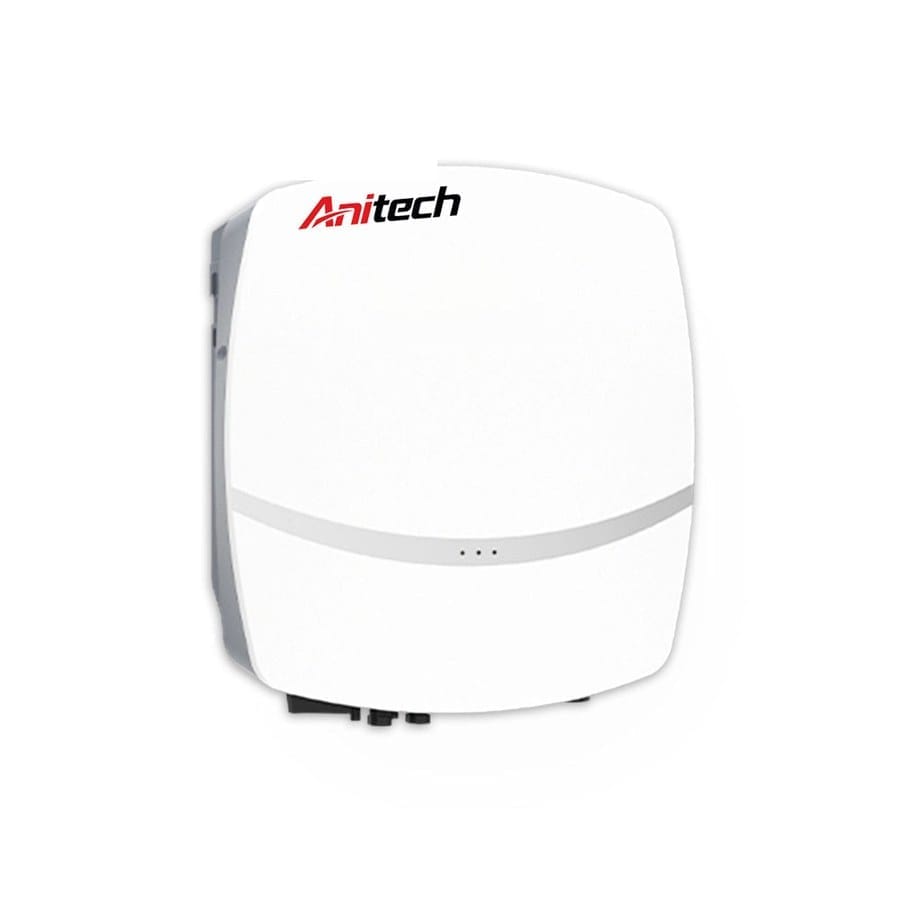
An on grid solar inverter is the main interface between a photovoltaic array and a grid-connected electrical system. Its basic job is to convert the DC electricity generated by solar modules into AC electricity, but that description only explains part of what a modern grid-connected inverter actually does.
For stable operation, the inverter must continuously coordinate PV voltage, MPPT tracking, AC output, grid frequency, grid voltage, system protection, power quality, and monitoring. The inverter cannot simply generate AC power independently. Its output has to remain synchronized with the electrical network while responding appropriately when operating conditions change.
This makes inverter selection a system-design issue rather than a simple question of output capacity. PV string design, MPPT range, input current, phase configuration, electrical loads, environmental conditions, monitoring functions, protection behavior, and future system development all influence whether an inverter is suitable for a particular installation.
This guide explains how an on grid solar inverter works, what specifications matter most, how grid synchronization affects operation, and which technical factors should be checked before a grid-connected photovoltaic system is finalized.
What Is an On Grid Solar Inverter?
An on grid solar inverter is designed to convert DC electricity from photovoltaic modules into AC electricity that can operate in synchronization with an existing electrical grid. It is also commonly described as a grid-connected or grid-tied inverter.
Unlike an independent off-grid system, a grid-connected photovoltaic system normally operates alongside an external electrical network. When solar generation is available, the inverter converts PV power into AC electricity that can support connected loads. Depending on the system design and operating rules, any remaining solar generation may then interact with the grid.
The critical difference is synchronization. The inverter must produce AC electricity with voltage, frequency, and waveform characteristics that are compatible with the connected electrical system. It continuously monitors those conditions and adjusts its output accordingly.
The operating principle of a grid-tie inverter helps explain why an on grid solar inverter should be considered both a conversion device and a grid-interactive control component.
How an On Grid Solar Inverter Works
Photovoltaic modules generate DC electricity whenever suitable solar energy is available. This electricity enters the DC side of the inverter through one or more PV strings. The inverter’s MPPT system then determines an appropriate electrical operating point for the array as irradiance, module temperature, and other conditions change.
The DC electricity is converted electronically into AC power. Before that power can operate within a grid-connected system, the inverter must monitor the electrical network and synchronize its output with the grid’s voltage and frequency. This coordination occurs continuously rather than only when the inverter starts.
When local electrical loads are operating, solar-generated electricity can contribute to those loads. If photovoltaic production falls below consumption, the electrical network can provide the remaining demand. If solar generation exceeds local demand, the system may manage the surplus according to its configuration, grid requirements, and any applicable export controls.
The inverter therefore sits between two electrical environments. On one side, PV generation changes according to solar conditions. On the other, the AC electrical network has its own operating parameters. Stable inverter operation depends on managing both sides simultaneously.
Why Grid Synchronization Matters
Grid synchronization is one of the defining functions of an on grid solar inverter. The inverter cannot simply create AC electricity at an arbitrary voltage or frequency and connect it to an existing electrical network. Its output must align with the electrical conditions already present.
This means the inverter continuously observes AC voltage, frequency, and other operating parameters. If the electrical network moves outside permitted conditions, the inverter should respond according to its protection and control design.
Synchronization also explains why grid-connected inverter operation is different from independent power generation. An off-grid inverter may establish its own AC reference for isolated loads, whereas an on grid solar inverter normally follows the electrical conditions of the connected network.
This distinction matters when users expect grid-connected photovoltaic equipment to continue supplying power independently during an interruption. A conventional grid-tied architecture does not automatically provide independent backup power simply because solar modules are still exposed to sunlight.
Why MPPT Design Is Essential for Grid-Connected PV
Although grid interaction is important, the photovoltaic side of the system remains equally critical. Maximum Power Point Tracking allows the inverter to adjust the operating point of connected PV strings as module conditions change during the day.
Solar module output is not fixed. Irradiance, temperature, shading, module orientation, and string configuration all influence voltage and current. The inverter therefore needs an MPPT operating range that matches the expected behavior of the PV array.
One common mistake is checking only maximum DC input voltage. That limit is important for electrical safety, but it does not indicate whether the string will operate effectively during normal conditions. The expected string voltage should also remain within the inverter’s MPPT range.
Multiple MPPT channels can provide additional flexibility when separate PV groups operate under different conditions. Arrays with different orientations or shading patterns may benefit from independent tracking rather than being connected as though their operating points were identical.
For this reason, selecting an on grid solar inverter should involve both the total array capacity and the electrical behavior of each PV string.
PV Voltage and Current Must Be Checked Together
PV array compatibility cannot be confirmed by wattage alone. An inverter receives combinations of voltage and current, and both must remain within the supported electrical limits.
Modules connected in series increase string voltage, while parallel strings increase current. This means two arrays with similar total power can present very different electrical conditions to the inverter.
High string voltage can approach the inverter’s maximum DC limit, particularly when environmental conditions cause module voltage to rise. At the same time, adding parallel strings can increase input current beyond the capacity of an MPPT channel even though the total installed wattage appears reasonable.
A good system design therefore evaluates open-circuit voltage, operating voltage, module current, short-circuit current, modules per string, parallel string quantity, MPPT current, and inverter input limits together.
This is particularly important when photovoltaic modules or existing arrays are being matched with a new inverter. The total system power may appear compatible while the voltage-current relationship reveals a different result.
Key On Grid Solar Inverter Specifications to Compare
An inverter datasheet contains many values, but the most useful specifications are those that explain how the inverter will interact with the PV array and AC electrical system.
| Specification | Why It Matters | What Should Be Checked |
|---|---|---|
| Nilai keluaran AC | Defines normal output capability | Match realistic system requirements |
| Tegangan DC maksimum | Sets upper PV input limit | Check maximum possible string voltage |
| Rentang tegangan MPPT | Defines normal tracking window | Keep operating string voltage inside range |
| Arus input maksimum | Limits PV-side current | Match module and parallel string current |
| Jumlah MPPT | Determines tracking flexibility | Consider different PV orientations |
| AC phase type | Defines output architecture | Match the electrical distribution system |
| Grid frequency range | Supports synchronization | Confirm system compatibility |
| Efisiensi konversi | Influences conversion losses | Evaluate together with operating conditions |
| Monitoring functions | Supports system diagnostics | Check available operating data |
| Protection functions | Supports safe grid interaction | Evaluate complete electrical protection |
These parameters should not be evaluated independently. A suitable inverter is one whose specifications work together within the intended system rather than one that simply has the strongest value in a single category.
On Grid Solar Inverter and Power Flow Management
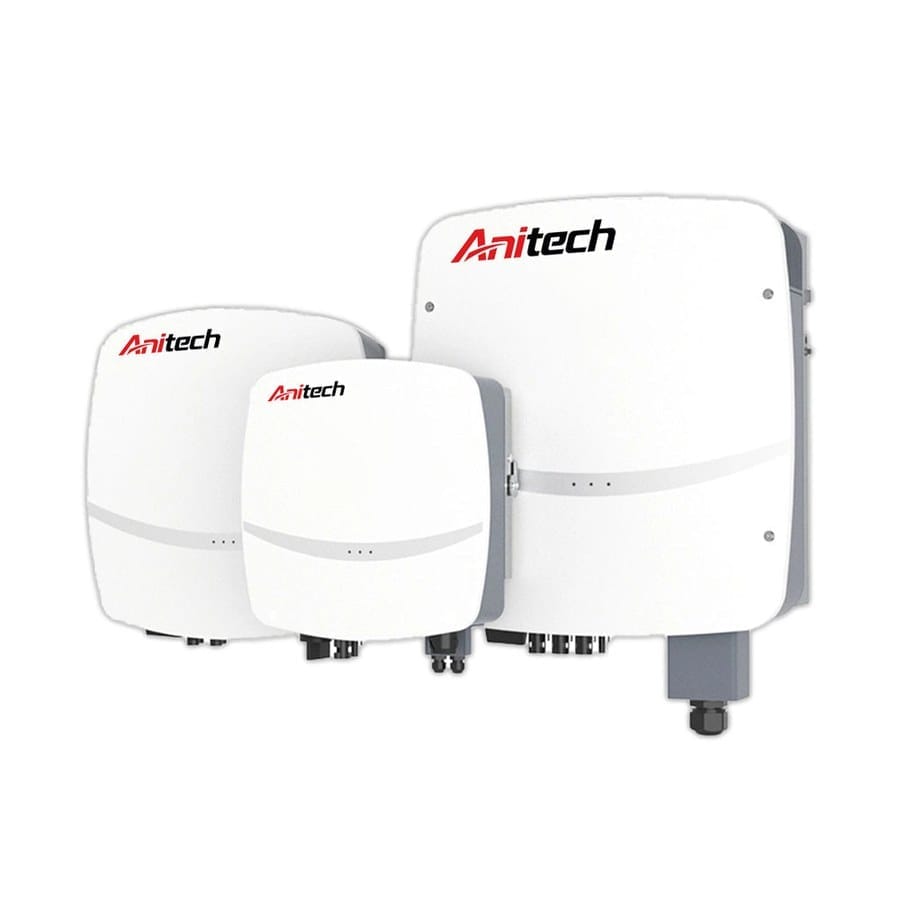
A grid-connected photovoltaic system is often described as though electricity always follows one simple direction, but real power flow changes throughout the day. Solar generation rises and falls while electrical consumption follows a different pattern.
When PV generation is lower than local demand, solar electricity can support part of the load while the remaining demand is supplied through the electrical network. When generation approximately matches demand, a larger proportion of photovoltaic electricity can be consumed locally.
If PV output becomes greater than local consumption, surplus generation must be handled according to the system architecture. Some installations allow power to move toward the electrical grid, while others use export-control functions to limit that flow.
Modern inverter monitoring can make these relationships easier to understand because generation, load consumption, and grid interaction can be measured in real time. The practical value of this information is that system operators can see whether photovoltaic production is being used as expected rather than relying only on total daily generation.
When considering Batterytailor’s solar inverter range, these grid-management functions should be considered alongside output capacity, PV input parameters, and the intended electrical architecture.
Export Control Is Becoming an Important System Function
Not every grid-connected PV installation is intended to send unlimited surplus solar generation toward the electrical network. In some projects, the objective is to prioritize local consumption while controlling or limiting export.
An export-control system typically depends on the inverter receiving information about power flow at the electrical connection point. The inverter can then adjust PV output according to the configured operating strategy.
This process illustrates why inverter control has become more sophisticated. Instead of simply converting all available solar energy whenever sunlight is present, the system may need to coordinate generation with real-time electrical demand.
Accurate measurement is important in this architecture. If power-flow information is incomplete or incorrectly configured, the inverter may not respond as expected. Meter installation, communication, current-sensing orientation, and system settings therefore become part of inverter commissioning.
Export control should be treated as a system function rather than simply a checkbox in an inverter specification.
Single-Phase vs Three-Phase Grid Connection
Phase configuration should match the existing electrical system and the way loads are distributed. Single-phase on grid solar inverter models are designed for single-phase electrical environments, while three-phase models distribute AC output across three phases.
Three-phase architecture introduces additional considerations because total inverter power does not always describe the behavior of each individual phase. The electrical system may contain uneven loads, and the inverter’s permitted phase behavior should therefore be understood before installation.
For a commercial or larger distributed electrical system, phase balance can influence how effectively solar generation is integrated with local consumption. A system with adequate total inverter capacity may still need careful load and phase planning if electrical demand is concentrated unevenly.
The selection should therefore follow the actual electrical architecture. Single-phase and three-phase inverters are not simply different output sizes; they are designed to operate within different distribution environments.
Why Anti-Islanding Protection Is Important
A grid-connected inverter operates alongside an external electrical network, which means it needs a defined response when that network is no longer available. Anti-islanding protection is designed to prevent an inverter from continuing to energize a disconnected section of the grid unintentionally.
This is an important distinction between normal grid-connected operation and backup operation. An ordinary on grid solar inverter does not automatically create an independent electrical network during an interruption.
If backup power is required, the system generally needs an architecture specifically designed for independent or backup operation. This may involve storage-capable equipment, a battery, dedicated backup circuits, switching functions, and additional control logic.
Understanding this difference prevents unrealistic expectations. The presence of photovoltaic modules does not by itself guarantee continuous electricity when the grid is unavailable. System architecture determines whether independent operation is supported.
Efficiency Should Be Considered Across Real Operating Conditions
Conversion efficiency is an important inverter specification because every conversion process introduces losses. However, the highest efficiency figure on a datasheet usually represents performance under particular test conditions rather than every condition the inverter will experience.
During a normal day, PV power can vary substantially. The inverter may operate at relatively low power in the morning, higher output during strong solar conditions, and changing levels as clouds or temperature affect the array.
Input voltage can also influence operating behavior. A system whose PV strings are poorly matched to the inverter’s intended input range may not achieve the practical performance expected from the headline efficiency figure.
For this reason, efficiency should be considered together with MPPT behavior, string configuration, thermal performance, input voltage, and load conditions. System compatibility is more informative than comparing one maximum percentage.
Monitoring Is Part of Modern Inverter Operation
Monitoring has become an important component of grid-connected PV because it helps users understand not only how much electricity is generated but also how the inverter is operating.
Useful monitoring data may show PV input conditions, AC output, daily generation, historical performance, grid status, inverter temperature, alarms, and operating conditions. In more advanced installations, data from external meters can also help show the relationship between photovoltaic generation and local electricity consumption.
This information becomes particularly valuable during troubleshooting. Reduced system output may be caused by solar conditions, PV string behavior, inverter limits, temperature, grid conditions, or configuration issues. Monitoring data can help distinguish among these possibilities.
The goal is not simply to collect more data. Effective monitoring should make system behavior easier to interpret, allowing unusual operating patterns to be investigated before they become persistent problems.
Installation Quality Can Affect Inverter Performance
Even a correctly selected on grid solar inverter can perform poorly if the surrounding installation is unsuitable. DC wiring, AC connections, grounding, protective devices, ventilation, communication wiring, and physical mounting all affect system reliability.
On the PV side, conductor sizing should reflect voltage, current, cable length, and installation conditions. Connectors should be electrically compatible and installed correctly, while protection should suit the array architecture.
The AC side needs similar attention. Cable sizing and protection should match inverter output and the electrical distribution system. Poor connections can introduce resistance, heat, and unstable operation.
Thermal conditions also matter because the inverter generates heat during conversion. Adequate ventilation, installation clearances, ambient temperature, dust exposure, moisture conditions, and enclosure requirements should all be evaluated according to the manufacturer’s instructions.
Installation should therefore be treated as part of inverter performance rather than as a separate task performed after equipment selection.
How to Size an On Grid Solar Inverter
Sizing an inverter requires a balance between photovoltaic generation and the electrical limits of the selected equipment. A simple comparison between total PV wattage and inverter AC rating can provide a starting point, but it does not complete the design.
The PV array must first remain within the inverter’s permitted DC voltage and current ranges. String configuration should place operating voltage inside the MPPT window while keeping maximum possible voltage below the upper input limit.
The expected generation profile should then be considered. Module orientation, environmental conditions, array layout, and operating temperature can all influence how frequently the array approaches its nominal rating.
AC requirements also matter. The inverter output should fit the intended electrical distribution system, including phase type and connection conditions.
The most reliable sizing process therefore evaluates the PV array electrically before choosing inverter capacity. Wattage should be the result of a compatible system design rather than the only number used to create one.
Common On Grid Solar Inverter Selection Mistakes
One of the most common mistakes is selecting an inverter according to rated output while ignoring PV voltage and input current. A power rating that looks appropriate does not guarantee that the planned string configuration is electrically compatible.
Another frequent problem is treating the maximum DC voltage as though it were the ideal operating voltage. The MPPT range is equally important because it describes where the inverter is intended to track the array during normal generation.
Phase configuration can also be overlooked. A three-phase electrical system should be evaluated differently from a single-phase installation, particularly when load distribution and grid interaction are involved.
Users may also assume that grid-connected solar automatically provides backup power. Without an architecture designed for independent operation, this expectation can lead to a system that behaves very differently during a grid interruption.
Finally, monitoring and installation requirements are sometimes treated as secondary concerns. In reality, good system visibility and correct installation can be as important to long-term operation as the inverter’s headline specifications.
When Is an On Grid Solar Inverter the Right Choice?
An on grid solar inverter is most appropriate when the photovoltaic system is intended to operate in continuous coordination with an existing electrical network rather than functioning as an independent power source.
This architecture is particularly suitable when the main objective is to convert photovoltaic generation for local consumption and grid-connected operation without requiring the inverter to establish an isolated electrical network.
The decision should nevertheless consider future system plans. If battery storage, backup operation, or more complex energy-management functions are likely to become important, the overall inverter architecture should be evaluated before the initial design is finalized.
A good system begins by defining how electricity should move through the installation. Once that operating strategy is clear, it becomes easier to determine whether an on grid solar inverter provides the correct functionality or whether another inverter architecture is more appropriate.
Kesimpulan
An on grid solar inverter is much more than a DC-to-AC converter. It is the operating interface between photovoltaic generation and a grid-connected electrical system, continuously coordinating PV input, MPPT tracking, AC synchronization, protection, monitoring, and power flow.
Successful selection depends on electrical compatibility. PV string voltage must remain within appropriate limits, module current must fit the inverter inputs, MPPT architecture must match the array, phase configuration must suit the electrical system, and grid-related functions must support the intended operating strategy.
Efficiency, monitoring, environmental conditions, export control, and installation quality should also be considered as part of the complete system rather than as secondary specifications.
The most reliable approach is therefore to design the photovoltaic array and electrical architecture first, then select an on grid solar inverter whose operating limits and control functions match those requirements. When the inverter and surrounding system are properly coordinated, grid-connected photovoltaic generation becomes more predictable, manageable, and reliable.
FAQ
What is an on grid solar inverter?
An on grid solar inverter converts DC electricity from photovoltaic modules into AC electricity synchronized with an electrical grid. It also manages MPPT, output control, monitoring, protection, and grid interaction so solar generation can operate safely within a connected electrical system.
Can an on grid solar inverter work when the grid is unavailable?
A conventional grid-connected inverter normally stops supplying the grid when required network conditions are lost. Independent backup requires an architecture specifically designed for that purpose, typically involving suitable control equipment, storage, switching, and dedicated backup circuits.
How do I size an on grid solar inverter?
Start with PV string voltage, input current, MPPT range, array configuration, and expected solar generation. Then compare these values with inverter DC limits, AC output, phase type, and the electrical distribution system rather than selecting an inverter only from total PV wattage.
What is MPPT in an on grid solar inverter?
MPPT allows the inverter to adjust the photovoltaic array’s operating point as sunlight, temperature, and other conditions change. Correct string voltage and MPPT configuration help the inverter track the connected array effectively throughout changing daily operating conditions.
What is the difference between an on grid solar inverter and an off grid inverter?
An on grid solar inverter operates in synchronization with an electrical grid, while an off-grid inverter is designed to establish power for an independent electrical system. Their control logic, storage requirements, protection behavior, and intended operating environments are therefore different.
Need Help Choosing the Right On Grid Solar Inverter?
If you’re unsure which on grid solar inverter matches your PV array, MPPT configuration, phase requirements, grid-connected loads, or future system plans, our team teknis can help evaluate the key compatibility factors. Contact us to discuss a solar inverter configuration designed around your photovoltaic system and real operating requirements.