












Daftar Isi
Introduction
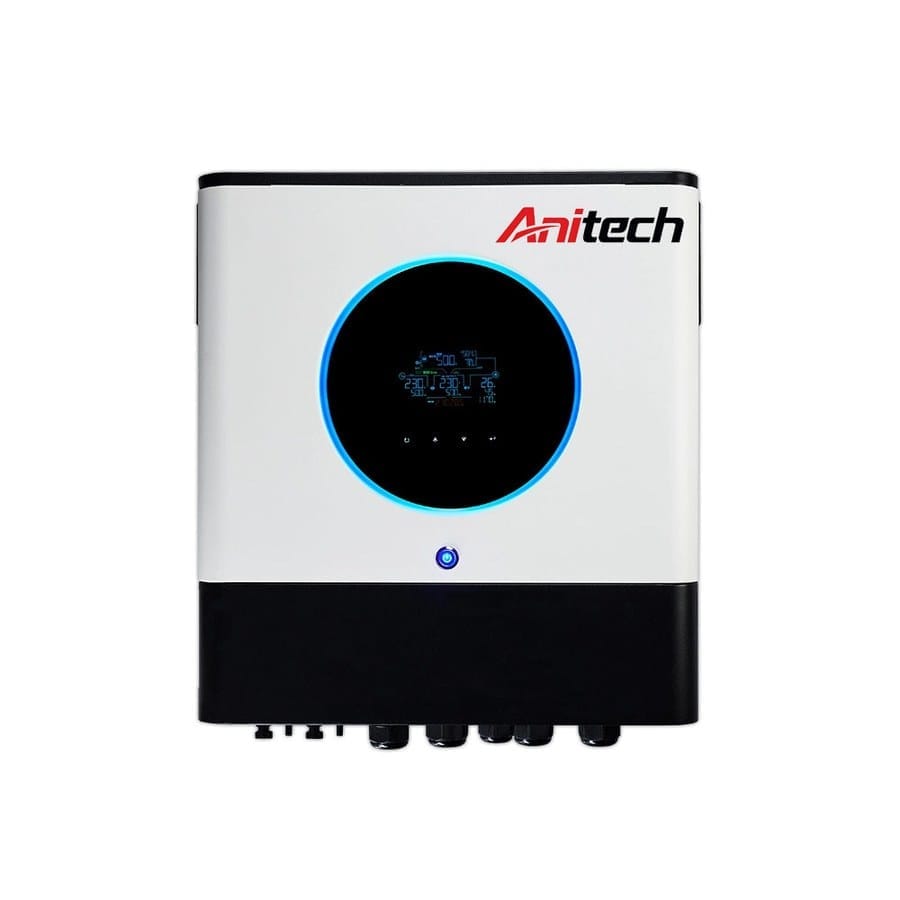
As solar energy systems continue to evolve from simple photovoltaic generation into integrated power solutions with battery storage, backup capability, and intelligent energy management, inverter performance has become one of the most important factors affecting system reliability. Solar panels determine how much DC energy can potentially be generated, but the inverter determines how that energy is converted, controlled, and delivered to electrical equipment.
A pure sine wave solar inverter plays a critical role in applications where stable AC power quality is required. Unlike basic inverter technologies that produce stepped or modified waveforms, a pure sine wave design generates an output waveform that closely follows the characteristics of conventional electrical power. This makes it suitable for a wide range of electrical equipment, including sensitive electronics, communication systems, motors, appliances, and backup power applications.
However, selecting a suitable inverter requires more than simply choosing a product with enough output capacity. The quality of AC waveform, harmonic distortion, surge capability, battery compatibility, MPPT performance, protection functions, and installation environment all influence the final performance of a solar energy system.
A well-designed solar system requires the inverter, photovoltaic array, battery storage, and electrical loads to operate as a coordinated system. Understanding how a pure sine wave solar inverter works and why waveform quality matters helps users and system designers make more reliable decisions when developing solar power solutions.
What Is a Pure Sine Wave Solar Inverter and How Does It Work?
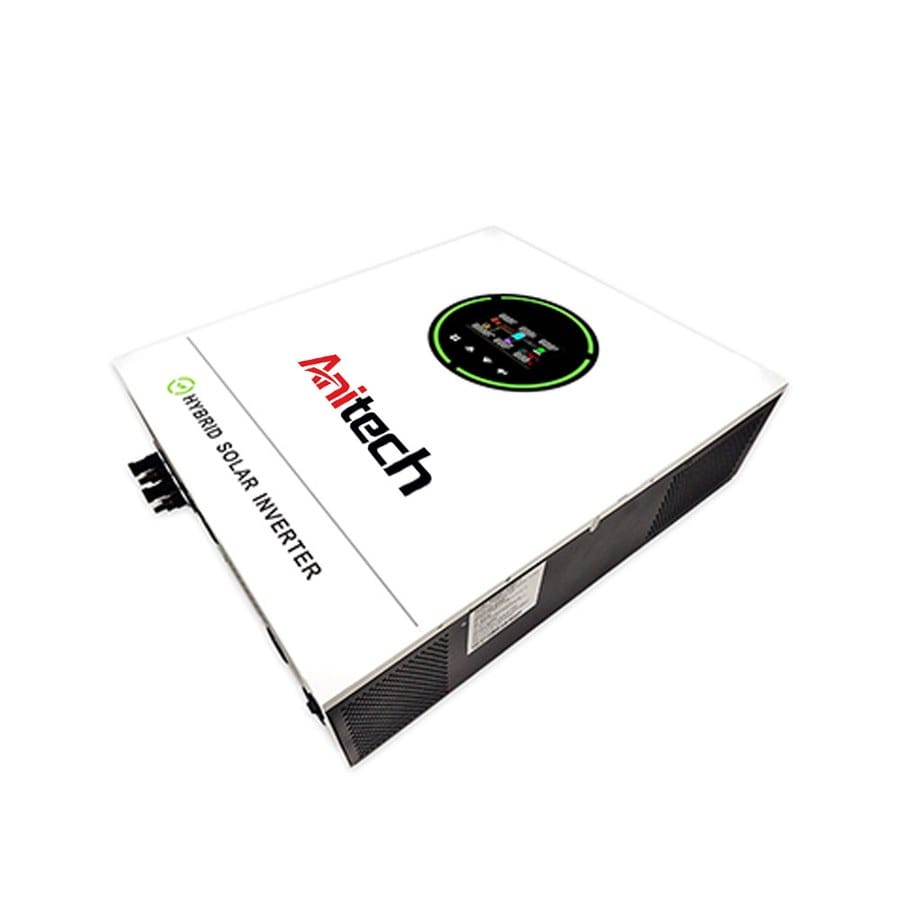
A pure sine wave solar inverter is an electronic power conversion device that transforms DC electricity from photovoltaic modules or battery storage systems into AC electricity with a smooth sinusoidal waveform. This output waveform is similar to the electricity supplied by conventional electrical networks, allowing compatibility with a broader range of electrical equipment.
The basic function of an inverter is energy conversion, but modern inverter technology involves several complex control processes. On the DC side, the inverter receives electricity from solar panels or batteries and manages the incoming voltage and current. In photovoltaic systems, MPPT technology continuously adjusts the operating point of the solar array to maximize available energy under changing sunlight conditions.
After DC input management, the inverter uses semiconductor switching components and control algorithms to create AC output. A pure sine wave solar inverter controls the switching pattern at high speed to generate a smooth waveform instead of a stepped approximation. The result is a cleaner electrical output with lower waveform distortion.
The inverter also monitors important operating parameters such as voltage, frequency, temperature, load demand, and protection conditions. If abnormal conditions occur, the control system can respond by limiting output, disconnecting from the system, or activating protection mechanisms according to the inverter design.
This combination of energy conversion, waveform control, monitoring, and protection makes a pure sine wave solar inverter more than a simple DC-to-AC converter. It functions as an important control point within a modern solar energy system.
The general operating principle of power inverters explains why waveform generation and electrical control are fundamental parts of inverter technology.
Why Waveform Quality Matters in Solar Energy Systems
Electricity quality directly affects how electrical equipment performs. While some basic loads can operate under different AC waveform conditions, many modern devices are designed around stable sinusoidal power characteristics. When waveform quality decreases, certain equipment may experience additional electrical stress, reduced efficiency, increased heat generation, or unstable operation.
A pure sine wave solar inverter produces an output waveform that closely matches standard AC power characteristics. This smoother waveform reduces the electrical irregularities that may occur with lower-quality inverter outputs.
For example, electronic devices often contain internal power supplies, control circuits, sensors, and microprocessors. These components can be more sensitive to waveform distortion than simple resistive loads. A cleaner AC supply helps these devices operate closer to their intended design conditions.
Motors represent another important example. Electric motors depend on the relationship between voltage waveform, magnetic fields, and mechanical movement. Poor waveform quality can influence motor efficiency, operating temperature, and noise levels. This is especially relevant for equipment such as pumps, compressors, fans, and refrigeration systems.
However, waveform quality should not be considered separately from other inverter characteristics. A pure sine wave solar inverter with excellent waveform performance still needs appropriate power capacity, surge capability, battery support, and system compatibility to operate effectively.
Understanding Harmonic Distortion in Solar Inverter Output
One important concept related to waveform quality is harmonic distortion. An ideal AC waveform follows a smooth sinusoidal pattern, but electronic switching processes can introduce additional frequency components known as harmonics.
Total Harmonic Distortion (THD) is commonly used to describe the difference between the actual output waveform and an ideal sine wave. Lower distortion generally indicates a cleaner AC output.
In solar energy systems, harmonic distortion can influence different types of electrical equipment in different ways. Sensitive electronics may experience operational issues, while motors and transformers may experience increased losses or additional heating under certain conditions.
A pure sine wave solar inverter is designed to minimize waveform distortion through advanced switching methods and control algorithms. This makes it better suited for applications where electrical quality is important.
The importance of THD depends on the connected equipment and system requirements. A simple load environment may tolerate higher distortion, while systems containing precision electronics, communication devices, or motor-driven equipment often benefit from cleaner power.
Therefore, waveform quality should be evaluated based on the actual application rather than treated as a purely technical specification.
Pure Sine Wave Solar Inverter vs Modified Wave Inverter
The main difference between pure sine wave and modified wave inverters is the structure and quality of the AC output waveform. Although both types convert DC electricity into AC power, the way they create that output is different.
A modified wave inverter produces an approximation of a sine wave using stepped voltage transitions. This approach can simplify the conversion process, but the output waveform is less smooth compared with a pure sine wave design.
A pure sine wave solar inverter uses more advanced switching and control technology to create a waveform closer to traditional AC electricity. This difference becomes more noticeable when operating sensitive or inductive equipment.
| Comparison Factor | Pure Sine Wave Solar Inverter | Modified Wave Inverter |
|---|---|---|
| Output waveform | Smooth sinusoidal waveform | Stepped waveform approximation |
| Power quality | Higher electrical quality | Lower compared with pure sine wave |
| Sensitive electronics | Better compatibility | Possible limitations |
| Motor-driven equipment | Smoother operation | May create additional noise or heat |
| Waveform distortion | Lower | Higher |
| Application range | Wide range of residential, commercial, and backup systems | Mainly basic electrical loads |
| System reliability | Better for complex loads | More limited |
The choice between these technologies depends on the application. A pure sine wave solar inverter is often preferred when the system needs to support diverse electrical equipment or when long-term equipment reliability is a priority.
Why Motor Loads Require Pure Sine Wave Output
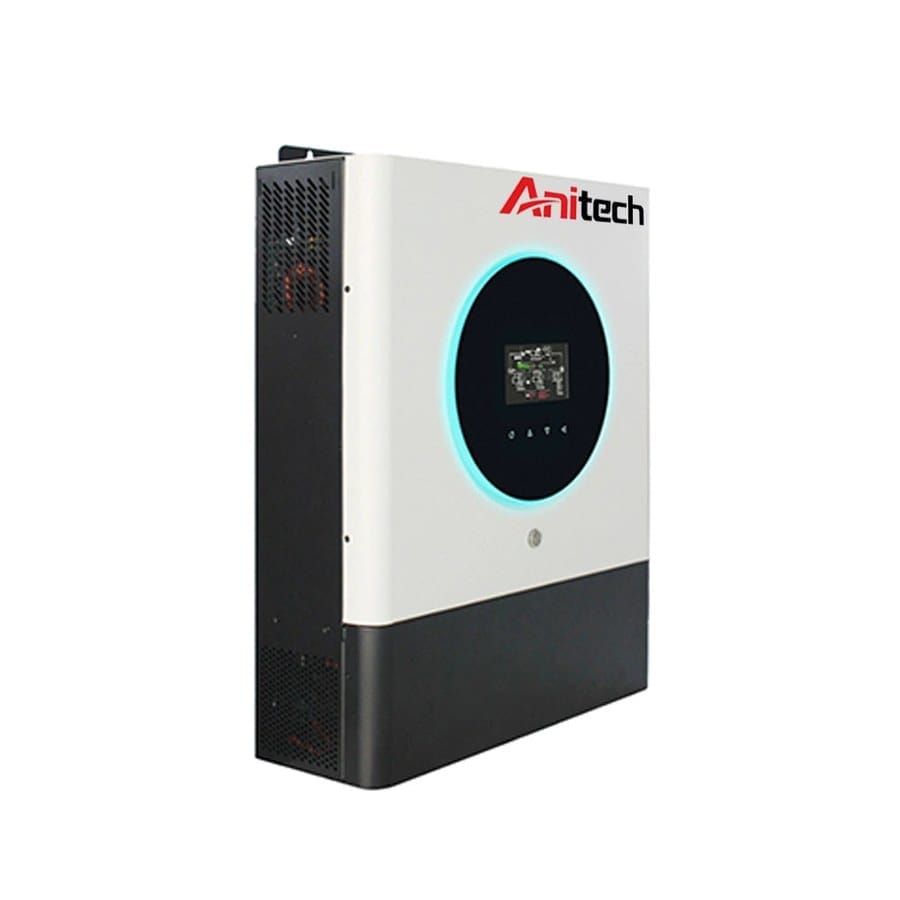
Motor-driven equipment creates unique challenges for inverter systems because motors do not behave like simple electrical loads. During startup, many motors require significantly more current than they consume during normal operation.
Examples include water pumps, compressors, ventilation systems, refrigerators, and other equipment with inductive components. The inverter must provide enough surge capability to support these temporary increases while maintaining stable AC output.
Waveform quality also influences motor operation. Motors rely on electromagnetic principles where voltage characteristics affect magnetic field behavior. A cleaner sine wave can support smoother operation and reduce some of the electrical stress associated with distorted waveforms.
However, selecting a pure sine wave solar inverter for motor loads requires more than checking waveform type. The inverter’s continuous output rating, surge capability, battery discharge capability, and system voltage must also match the motor requirements.
For example, a motor may operate normally at a certain power level but require several times that amount during startup. If the inverter cannot supply this temporary demand, the equipment may fail to start even though the continuous power rating appears sufficient.
A complete motor-load evaluation should therefore consider:
- normal operating power
- startup demand
- inverter surge capability
- battery discharge performance
- wiring and protection design
This system-level approach helps ensure reliable operation rather than focusing only on one inverter specification.
Pure Sine Wave Solar Inverter for Off-Grid and Backup Applications
Off-grid and backup solar systems place greater demands on inverter performance because the inverter may become the primary source of AC power for connected equipment.
In a grid-connected system, the electrical network can provide additional support when solar production changes. In an independent system, the inverter must coordinate photovoltaic generation, battery storage, and electrical consumption without relying on an external power source.
This makes waveform quality especially important. When users depend on stored battery energy, the inverter becomes responsible for creating suitable AC power for equipment that may otherwise operate from conventional electricity.
A pure sine wave solar inverter is commonly considered for backup applications because it can support a wider range of electrical loads, including electronics, appliances, communication equipment, and motor-driven devices.
However, backup capability depends on the complete system design. The inverter must be matched with:
- battery capacity
- battery discharge current
- backup load requirements
- PV generation capability
- transfer and protection functions
A high-quality inverter alone cannot create a reliable backup system if the battery or electrical design does not support the required operating conditions.
The Relationship Between Battery Systems and Pure Sine Wave Inverters
Battery storage is an essential part of many solar power applications, especially in off-grid, backup, and energy-management systems. When a battery is connected to a pure sine wave solar inverter, the inverter becomes responsible for converting stored DC energy into stable AC electricity that can support connected equipment.
However, battery compatibility involves much more than simply matching voltage ratings. The inverter and battery must operate together within acceptable electrical limits. Battery voltage range, charging current, discharge capability, battery chemistry, communication protocols, and protection functions all influence whether the system can perform reliably.
One important consideration is the difference between battery energy capacity and battery power capability. Energy capacity determines how much electricity can be stored and how long the system can operate. Power capability determines how much electricity the battery can deliver at a specific moment. A battery may contain sufficient stored energy for several hours of operation but still be unable to provide the high current required for certain loads or inverter output levels.
For example, a backup system may include equipment with high startup demand. Even if the battery has enough total energy capacity, the battery management system may limit discharge current to protect internal cells. In this situation, the battery becomes the limiting factor rather than the inverter itself.
A well-designed pure sine wave solar inverter system therefore requires coordinated selection between the inverter and battery. The inverter should support the battery’s electrical characteristics, while the battery should provide sufficient power for the inverter’s expected operating conditions.
When integrated with a complete energy storage system, the inverter can help coordinate charging, discharging, energy conversion, and load support more effectively.
How MPPT Technology Works with a Pure Sine Wave Solar Inverter
Although waveform quality mainly affects the AC output side, the photovoltaic input side is equally important for overall inverter performance. A pure sine wave solar inverter must first receive stable and optimized DC energy before it can convert that energy into high-quality AC power.
Maximum Power Point Tracking (MPPT) is the technology responsible for optimizing energy extraction from photovoltaic modules. Solar panels do not produce a fixed amount of power throughout the day. Their voltage and current characteristics change depending on sunlight intensity, module temperature, shading conditions, and electrical configuration.
The MPPT controller continuously evaluates the relationship between voltage and current and adjusts the operating point of the PV array to capture available energy more effectively. This process helps the inverter maintain better performance under changing environmental conditions.
PV string design plays an important role in MPPT performance. The number of modules connected in series determines string voltage, while parallel connections influence current. Both values must remain within the inverter’s supported input limits.
Several factors should be evaluated when matching PV arrays with a pure sine wave solar inverter:
| PV Design Factor | Impact on Inverter Performance |
|---|---|
| String voltage | Determines whether the PV array operates within the MPPT range |
| Maximum open-circuit voltage | Prevents excessive DC input voltage under specific conditions |
| PV current | Ensures the inverter input is not exceeded |
| Number of MPPT channels | Allows independent control of different PV groups |
| Module orientation | Influences energy production consistency |
| Shading conditions | Can affect individual string performance |
A properly configured PV array allows the inverter to receive stable DC input, which improves the overall efficiency and reliability of the conversion process.
Key Specifications to Evaluate Before Choosing a Pure Sine Wave Solar Inverter
Choosing a pure sine wave solar inverter requires evaluating several technical specifications together. A single number, such as rated output power or efficiency, cannot fully represent whether an inverter is suitable for a specific solar system.
The first factor is continuous output power. This determines how much electrical demand the inverter can support during normal operation. However, continuous power should always be evaluated together with surge capability because many electrical devices require additional power during startup.
The second factor is waveform quality. A pure sine wave output provides better compatibility with sensitive electronics and motor-driven equipment, but the inverter should also maintain stable voltage and frequency under changing loads.
The third factor is DC input capability. The inverter must match the photovoltaic array’s voltage and current characteristics. Incorrect PV sizing can reduce performance or create operating limitations even when the inverter has sufficient AC output.
Other important specifications include:
| Specification | Why It Matters |
|---|---|
| Rated output power | Determines continuous load support capability |
| Surge power capability | Supports short-duration startup demand |
| Output waveform | Influences equipment compatibility |
| Tegangan DC maksimum | Protects against PV input overvoltage |
| Rentang tegangan MPPT | Determines PV tracking performance |
| Arus input maksimum | Ensures PV compatibility |
| Rentang tegangan baterai | Supports energy storage integration |
| Efisiensi konversi | Influences energy losses |
| Protection functions | Supports safe operation |
| Monitoring functions | Helps analyze system performance |
The best inverter selection process evaluates these specifications together according to the actual application. A technically advanced inverter is only valuable when its capabilities match the requirements of the connected solar system.
How to Size a Pure Sine Wave Solar Inverter Correctly
Incorrect sizing is one of the most common reasons solar systems fail to perform as expected. Choosing an inverter based only on total panel capacity or average electricity consumption often overlooks important operating conditions.
The first step is understanding the electrical loads. Users should identify which devices operate simultaneously, which equipment has startup requirements, and which loads are considered essential during backup operation.
For example, lighting and electronic devices may have relatively stable consumption, while pumps, compressors, and motors may create short periods of significantly higher demand. The inverter must be capable of handling both normal operation and temporary power requirements.
Battery systems add another sizing consideration. If the inverter is expected to operate from stored energy, the battery must provide enough discharge power to support the inverter output. A mismatch between inverter capacity and battery capability can limit actual system performance.
PV generation should also be considered. The solar array must provide enough energy not only for immediate loads but also for battery charging when storage is part of the system.
A practical sizing approach considers four connected factors:
- AC load demand
- startup power requirements
- battery discharge capability
- photovoltaic generation capacity
This approach creates a more balanced system than simply selecting the largest available inverter.
Common Installation Mistakes That Affect Inverter Performance
Even a high-quality pure sine wave solar inverter can experience reduced performance if installation factors are overlooked. Many inverter problems are not caused by the equipment itself but by incorrect system design, wiring, environmental conditions, or insufficient protection.
One common issue is incorrect cable sizing. Both DC and AC cables carry electrical current, and undersized conductors can create voltage drop, additional heat, and reduced efficiency. Cable selection should consider current level, cable length, installation environment, and system voltage.
Another important factor is ventilation. Inverters generate heat during operation, and insufficient airflow can increase internal temperature. Excessive heat may reduce efficiency or trigger protective power reduction in some systems.
Electrical protection is also critical. The PV side, battery side, and AC output side each have different electrical characteristics. Appropriate isolation, overcurrent protection, surge protection, and grounding design help improve system safety and reliability.
Environmental conditions should also be considered. Moisture, dust, temperature variation, and installation location can influence long-term inverter performance. A suitable enclosure and proper installation environment help protect internal components.
A reliable solar system depends not only on selecting the right inverter but also on creating the right conditions for that inverter to operate.
How Monitoring and Protection Improve System Reliability
Modern pure sine wave solar inverters increasingly include monitoring functions that provide detailed information about system operation. These features help users understand how energy is generated, converted, stored, and consumed.
Monitoring data may include PV input conditions, AC output power, battery state of charge, charging and discharging behavior, system temperature, operating mode, and fault information.
This information is valuable because solar systems are dynamic. A reduction in output could be caused by multiple factors, including reduced solar availability, PV string issues, battery limitations, load changes, or inverter protection responses.
Without monitoring, identifying the actual cause of a performance issue can be difficult. With detailed operating data, users and technicians can analyze system behavior more accurately.
Protection functions are equally important. A reliable inverter should include appropriate responses to abnormal voltage, excessive current, overheating, short circuits, and other operating conditions.
The combination of monitoring and protection helps transform the inverter from a passive conversion device into an intelligent component that actively supports system reliability.
Future Trends of Pure Sine Wave Solar Inverter Technology
Solar inverter technology continues to develop as energy systems become more intelligent and interconnected. Future improvements are expected to focus on greater efficiency, stronger energy management, improved communication, and better integration with storage systems.
One important trend is the increasing connection between inverters and smart energy management platforms. Instead of simply converting electricity, future inverter systems will increasingly coordinate generation, storage, consumption, and grid interaction based on real-time conditions.
Battery integration is another major development area. As energy storage becomes more common, inverter technology is evolving to provide better communication with battery management systems and more flexible operating strategies.
Higher monitoring capability is also becoming increasingly important. More detailed operational data allows users to optimize energy usage, identify problems earlier, and improve long-term system performance.
These developments demonstrate that the inverter is becoming one of the most important control components within modern solar energy systems. The future of solar power depends not only on generating more electricity but also on managing that electricity more effectively.
How to Maintain a Pure Sine Wave Solar Inverter for Long-Term Performance
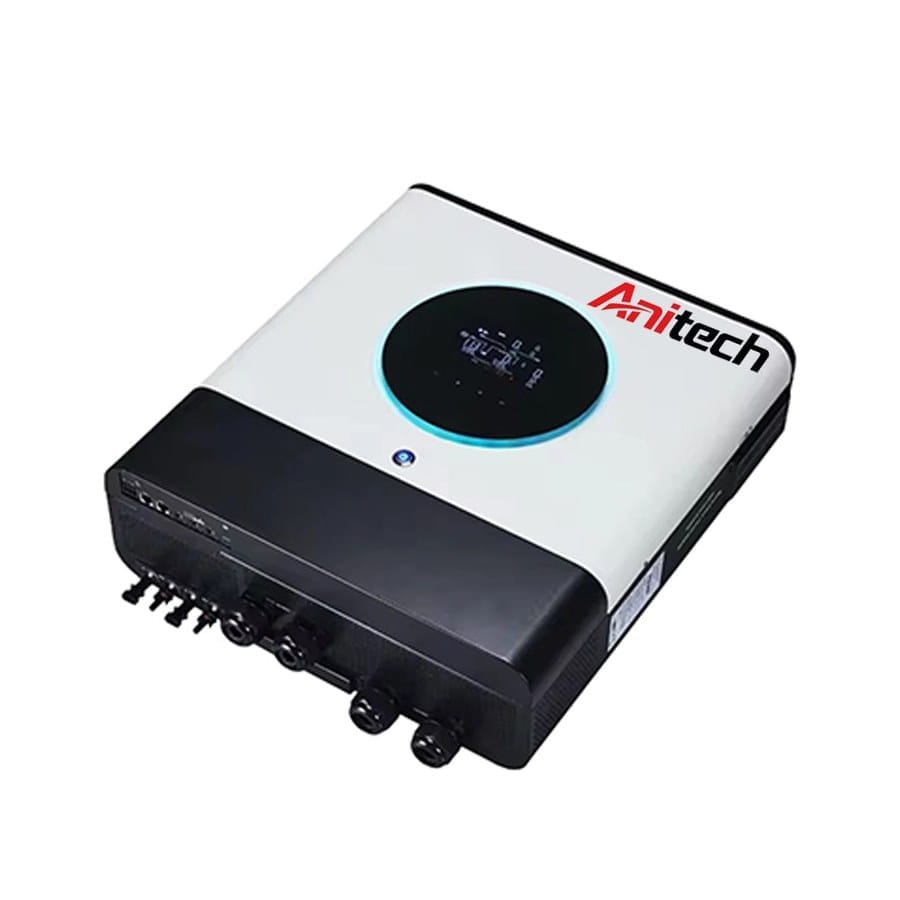
Proper maintenance helps ensure stable inverter operation throughout its service life. Although modern inverters are designed for reliable operation, regular inspection and monitoring can help identify potential issues before they affect system performance.
The installation environment should be checked regularly. Dust accumulation, restricted airflow, excessive temperature, or moisture exposure can influence inverter operation. Keeping the surrounding area clean and properly ventilated supports better thermal management.
Electrical connections should also be reviewed periodically. Loose connections, damaged cables, or signs of overheating can reduce efficiency and create safety concerns.
Monitoring data provides another maintenance advantage. Reviewing historical generation, battery behavior, operating temperature, and fault records can reveal changes in system performance over time.
A proactive maintenance approach focuses on preventing problems rather than waiting for complete system failure. This helps protect the inverter, connected equipment, and overall solar investment.
Kesimpulan
A pure sine wave solar inverter is an important component for solar systems that require reliable AC power quality, broad equipment compatibility, and stable operation. Its ability to produce a smooth sinusoidal waveform makes it suitable for applications involving sensitive electronics, motors, backup systems, and energy storage solutions.
However, waveform quality is only one part of inverter performance. A reliable system also depends on correct PV sizing, MPPT configuration, battery compatibility, surge capability, protection design, installation quality, and monitoring capability.
The most effective approach is to evaluate the inverter as part of a complete energy system. Solar modules, batteries, electrical loads, and inverter controls must work together to achieve stable and efficient operation.
By selecting a properly matched pure sine wave solar inverter and designing the surrounding system carefully, users can create a more reliable solar power solution capable of supporting modern electrical demands.
FAQ
What is a pure sine wave solar inverter?
A pure sine wave solar inverter converts DC electricity from solar panels or batteries into AC electricity with a smooth sinusoidal waveform. This output provides better compatibility with sensitive electronics, appliances, motors, and equipment that require stable electrical power.
Why is a pure sine wave inverter better for sensitive devices?
Sensitive devices often rely on stable voltage and frequency characteristics. A pure sine wave solar inverter produces cleaner AC power with lower waveform distortion, helping reduce potential issues such as noise, overheating, or unstable operation in certain equipment.
Can a pure sine wave solar inverter work with batteries?
Yes. Many pure sine wave solar inverters are designed for battery-based applications. However, battery voltage, charging capability, discharge current, communication compatibility, and usable capacity must match the inverter requirements for reliable operation.
How do I choose the correct size pure sine wave solar inverter?
The correct size depends on electrical load demand, startup power requirements, PV input characteristics, battery capability, and future expansion plans. Selecting an inverter only according to panel capacity or average consumption may result in poor system performance.
Are pure sine wave solar inverters suitable for off-grid systems?
Yes. Pure sine wave solar inverters are commonly used in off-grid and backup applications because they can provide stable AC output for a wide range of electrical equipment. The inverter, battery, PV array, and loads must still be properly matched.
Need Help Choosing the Right Pure Sine Wave Solar Inverter?
If you’re unsure which pure sine wave solar inverter best matches your solar panels, battery storage system, electrical loads, or backup requirements, our technical team is here to help. Contact us today for a personalized consultation and build a reliable solar power solution designed around your application needs.