












Sommario
Introduzione
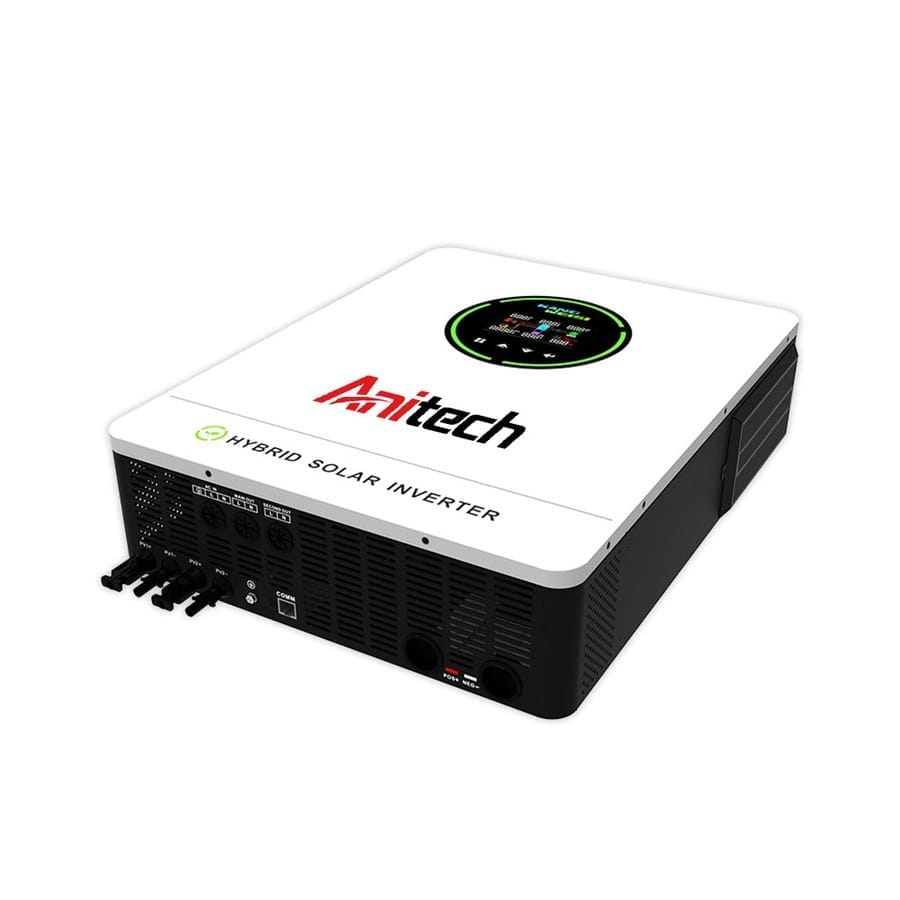
La tecnologia solare fotovoltaica è cambiata in modo significativo negli ultimi decenni I primi sistemi solari erano principalmente focalizzati sulla conversione della luce solare disponibile in elettricità, ma le moderne applicazioni fotovoltaiche richiedono livelli molto più elevati di efficienza, flessibilità e controllo intelligente, Man mano che le installazioni solari diventano più grandi e più integrate con lo stoccaggio delle batterie, le piattaforme di gestione dell'energia e diversi carichi elettrici, l'inverter è diventato uno dei componenti più importanti che determinano le prestazioni complessive del sistema.
Un inverter solare MPPT rappresenta un importante sviluppo nella tecnologia di conversione fotovoltaica perché fa molto di più che trasformare semplicemente l'elettricità CC in alimentazione CA. Analizza continuamente le condizioni operative dell'array fotovoltaico e regola i parametri elettrici per aiutare i moduli solari a funzionare più vicino al loro punto di massima potenza.
La ragione per cui questa tecnologia conta è che i pannelli solari non generano una quantità fissa di elettricità La loro produzione cambia costantemente a causa dell'intensità della luce solare, della temperatura del modulo, delle condizioni di ombreggiatura, dell'angolo di installazione, delle condizioni atmosferiche e delle caratteristiche elettriche Anche quando lo stesso pannello solare è installato nella stessa posizione, la sua potenza erogata può variare in modo significativo durante il giorno.
Senza un sistema di tracciamento efficace, un array fotovoltaico potrebbe operare lontano dal suo punto ideale e perdere parte del potenziale energetico disponibile Un inverter solare MPPT aiuta a risolvere questa sfida controllando dinamicamente la relazione tra tensione e corrente dall'array fotovoltaico.
Tuttavia, la tecnologia MPPT è solo una parte di un sistema solare di successo L'inverter deve anche corrispondere al design fotovoltaico, ai requisiti della batteria, ai carichi elettrici e agli obiettivi operativi a lungo termine Fattori come la gamma di tensione MPPT, la capacità di corrente di ingresso, il numero di inseguitori, l'efficienza di conversione, le funzioni di monitoraggio e i sistemi di protezione influenzano tutti le prestazioni pratiche.
Questo articolo spiega come funziona la tecnologia degli inverter solari MPPT, perché il tracciamento del punto di massima potenza migliora la generazione solare, come i diversi progetti MPPT influenzano le prestazioni del sistema e quali fattori dovrebbero essere considerati quando si seleziona un inverter per applicazioni residenziali, commerciali e di accumulo di energia.
Che cos'è un inverter solare MPPT?
Un inverter solare MPPT è un inverter fotovoltaico dotato della tecnologia Maximum Power Point Tracking che regola continuamente le condizioni di funzionamento elettrico dei pannelli solari per catturare la massima potenza disponibile.
Un modulo fotovoltaico ha una relazione specifica tra tensione, corrente e potenza In ogni momento, c'è un punto operativo in cui la combinazione di tensione e corrente produce la potenza più alta Questo punto è noto come Punto di Potenza Massimo.
La sfida è che questo punto non è fisso Le condizioni solari cambiano costantemente Quando la luce solare diventa più forte, la corrente disponibile dal modulo fotovoltaico aumenta Quando la temperatura aumenta, la tensione del modulo in genere diminuisce Quando l'ombreggiatura colpisce parte di un pannello solare, le caratteristiche elettriche del sistema possono cambiare in modo significativo.
Un inverter solare MPPT monitora questi cambiamenti e regola il suo funzionamento in ingresso di conseguenza Invece di consentire al pannello fotovoltaico di funzionare a una tensione fissa, l'inverter cerca e mantiene la condizione operativa che fornisce la massima potenza disponibile.
Il ruolo di MPPT può essere paragonato a un processo di ottimizzazione intelligente dell'energia I moduli solari generano energia disponibile, mentre il controller MPPT determina come l'inverter dovrebbe interagire con quei moduli per catturare quell'energia nel modo più efficace.
I moderni inverter solari MPPT sono ampiamente utilizzati perché migliorano l'adattabilità del sistema Consentono alle installazioni fotovoltaiche di mantenere prestazioni migliori in condizioni reali in cui le risorse solari sono raramente costanti.
L'inverter non è quindi semplicemente un convertitore tra elettricità DC e AC, diventa un dispositivo di controllo intelligente che gestisce il rapporto tra generazione solare e conversione di energia.
Come funziona il monitoraggio del punto di massima potenza all'interno di un inverter
Per comprendere il funzionamento dell'MPPT, è importante comprendere il comportamento elettrico dei moduli fotovoltaici.
Un pannello solare non produce potenza illimitata La sua uscita dipende dal rapporto tra tensione e corrente Se la tensione viene aumentata o diminuita, cambia anche la corrente Il risultato è una curva di potenza unica dove un punto rappresenta la massima uscita possibile in condizioni di corrente.
Il controller MPPT misura continuamente le caratteristiche elettriche del fotovoltaico e regola le condizioni di ingresso dell'inverter per individuare questo punto.
Il processo prevede generalmente tre passaggi:
Innanzitutto, l'inverter misura la tensione di funzionamento corrente e la corrente dell'array fotovoltaico Queste misurazioni consentono al sistema di controllo di calcolare la potenza in uscita corrente.
In secondo luogo, l'algoritmo MPPT analizza se la modifica del punto operativo aumenterebbe o diminuirebbe la potenza disponibile Se una diversa combinazione di tensione o corrente potrebbe produrre un'uscita più elevata, il controller regola le condizioni operative.
In terzo luogo, il sistema continua questo processo ripetutamente durante il funzionamento Poiché le condizioni solari cambiano continuamente, MPPT non è una regolazione una tantum ma un processo di ottimizzazione continuo.
Questa regolazione dinamica consente ad un inverter solare MPPT di rispondere a
- modifica dell'intensità della luce solare
- fluttuazioni di temperatura
- movimento nuvoloso
- ombreggiatura parziale
- diverse condizioni di array fotovoltaico
L'efficacia di questo processo dipende dalla qualità dell'algoritmo MPPT, dall'hardware dell'inverter, dalla velocità di campionamento e dalla progettazione del sistema.
Un sistema MPPT di alta qualità non crea energia solare aggiuntiva, invece, aiuta a garantire che l'energia solare disponibile venga catturata in modo più efficace prima della conversione in elettricità CA.
Comprensione della curva fotovoltaica e del punto di massima potenza
Il concetto di curva FV è fondamentale per capire perché la tecnologia MPPT è necessaria.
Un modulo fotovoltaico ha due importanti relazioni elettriche: la curva corrente-tensione e la curva potenza-tensione.
La curva corrente-tensione mostra come cambia la corrente al variare della tensione, a livelli di tensione più bassi, i moduli FV di solito possono fornire una corrente più elevata All'aumentare della tensione, la corrente diminuisce gradualmente.
La curva potenza-tensione combina questi due fattori Poiché la potenza è uguale alla tensione moltiplicata per la corrente, la curva raggiunge un picco dove il prodotto di tensione e corrente è più alto Questo picco rappresenta il punto di massima potenza.
La posizione di questo punto cambia a seconda delle condizioni ambientali.
Ad esempio, quando l'irradiazione solare aumenta, il punto di massima potenza generalmente si sposta verso l'alto perché il modulo fotovoltaico può produrre più corrente.
Quando la temperatura aumenta, la tensione del modulo in genere diminuisce, provocando lo spostamento del punto di potenza massimo.
Quando l'ombreggiatura influisce sull'array PV, la curva può diventare più complessa, creando più punti di potenza possibili. Questo è uno dei motivi per cui la tecnologia MPPT avanzata è preziosa perché deve identificare la vera condizione operativa ottimale piuttosto che seguire semplicemente un'impostazione fissa.
Un inverter solare MPPT utilizza queste caratteristiche elettriche come base per ottimizzare la produzione di energia solare.
Perché l'output del pannello solare cambia durante il giorno
Molti utenti presumono che i pannelli solari producano una quantità prevedibile di elettricità ogni volta che la luce solare è disponibile In realtà, la produzione fotovoltaica cambia continuamente durante il giorno.
Il fattore più evidente è l'intensità della luce solare La radiazione solare varia a seconda del tempo, delle condizioni meteorologiche, della copertura nuvolosa e delle condizioni atmosferiche Un pannello solare che produce un'elevata produzione sotto la luce solare diretta può produrre significativamente meno durante i periodi nuvolosi.
La temperatura è un altro fattore importante Sebbene una luce solare più forte aumenti il potenziale di generazione, temperature più elevate del modulo possono ridurre la tensione in uscita Ciò significa che le condizioni estremamente calde non sempre determinano la massima produzione di energia.
L'orientamento dell'installazione influisce anche sul punto operativo I pannelli rivolti in direzioni diverse ricevono quantità diverse di luce solare durante il giorno, il che può creare caratteristiche elettriche diverse tra i gruppi fotovoltaici.
L'ombreggiatura crea un'altra sfida L'ombreggiatura parziale delle strutture vicine, della vegetazione o dei cambiamenti ambientali può influenzare i singoli moduli e alterare la curva complessiva del fotovoltaico.
Poiché queste condizioni cambiano continuamente, un punto operativo fisso dell'inverter non può sempre massimizzare l'energia disponibile Un inverter solare MPPT fornisce l'adattabilità richiesta per il funzionamento fotovoltaico nel mondo reale.
Diversi algoritmi MPPT utilizzati negli inverter solari
Le prestazioni di un inverter solare MPPT dipendono in parte dall'algoritmo utilizzato per individuare e mantenere il punto di massima potenza Diversi algoritmi utilizzano approcci diversi per analizzare il comportamento del fotovoltaico.
Un metodo comunemente usato è Perturb and Observe, spesso chiamato P & O. Questo approccio regola leggermente la tensione operativa e osserva se la potenza in uscita aumenta o diminuisce Se la variazione migliora la produzione di potenza, l'algoritmo continua in quella direzione Se l'uscita diminuisce, inverte la regolazione.
Il vantaggio del P & O è la semplicità e l'implementazione relativamente facile Tuttavia, in condizioni di luce solare in rapido cambiamento, potrebbe temporaneamente allontanarsi dal vero punto di potenza massima perché si basa sull'osservazione dei cambiamenti dopo le regolazioni.
Un altro approccio è la conduttanza incrementale Questo metodo analizza la relazione tra le variazioni di corrente e tensione per determinare se il punto operativo è al di sopra o al di sotto del punto di massima potenza Può rispondere in modo più accurato in condizioni in rapido cambiamento ma generalmente richiede calcoli di controllo più complessi.
I moderni inverter solari MPPT possono anche incorporare metodi di controllo avanzati progettati per migliorare la velocità e la precisione del tracciamento.
La scelta dell'algoritmo influisce sulla rapidità e precisione con cui l'inverter risponde alle mutevoli condizioni, Tuttavia, le prestazioni pratiche dipendono anche dalla qualità dell'hardware, dalla progettazione del sistema e dalle condizioni di installazione.
Un sofisticato algoritmo MPPT non può compensare un array fotovoltaico progettato in modo errato L'inverter e l'impianto fotovoltaico devono comunque essere adeguatamente abbinati.
Singolo MPPT vs Multiplo MPPT Solar Inverter Design
Una delle considerazioni di progettazione più importanti quando si seleziona un inverter solare MPPT è il numero di canali MPPT indipendenti disponibili Mentre la funzione di base di MPPT rimane la stessa, il numero di tracker può influenzare in modo significativo l'efficacia con cui l'inverter gestisce le diverse condizioni degli array fotovoltaici.
Un singolo inverter MPPT tratta tutte le stringhe fotovoltaiche collegate come un unico gruppo elettrico Questo approccio funziona bene quando tutti i moduli solari hanno caratteristiche simili, tra cui lo stesso orientamento, angolo di inclinazione, condizioni di ombreggiatura ed esposizione ambientale.
Ad esempio, una semplice installazione sul tetto in cui tutti i pannelli sono rivolti nella stessa direzione e ricevono luce solare simile durante il giorno può funzionare efficacemente con un singolo canale MPPT.
Tuttavia, molte installazioni reali sono più complesse Gli edifici hanno spesso più superfici del tetto, diversi orientamenti dei pannelli o aree interessate da ombreggiature parziali In queste situazioni, forzare tutte le stringhe FV a funzionare insieme può ridurre la raccolta di energia perché diverse sezioni dell'array possono avere diversi punti operativi ottimali.
Un inverter solare MPPT multiplo consente a gruppi FV separati di funzionare in modo indipendente Ogni canale MPPT può tracciare il punto di massima potenza del suo gruppo di stringhe FV collegato, migliorando la flessibilità e riducendo l'impatto delle differenze tra le sezioni dell'array.
I vantaggi di molteplici progetti MPPT includono
| Condizione Sistema | Singolo MPPT Design | Progettazione MPPT multipla |
|---|---|---|
| Stesso orientamento del tetto | Adatto | Adatto |
| Direzioni diverse del tetto | Ottimizzazione limitata | Migliore adattamento |
| Ombreggiatura parziale | Più colpiti | Migliore gestione |
| Gruppi multipli di stringhe PV | Meno flessibile | Più flessibile |
| Installazioni commerciali complesse | Può creare limitazioni | Più adatto |
Tuttavia, più canali MPPT non significano automaticamente prestazioni migliori Il sistema dovrebbe essere progettato in base alle condizioni FV effettive Una configurazione MPPT inutilmente complessa può aumentare la complessità del sistema senza creare miglioramenti energetici significativi.
The correct approach is to analyze the photovoltaic layout first and then select an MPPT solar inverter that matches the physical characteristics of the installation.
Come l'ombreggiatura parziale influisce sulle prestazioni MPPT
Partial shading is one of the most challenging conditions for photovoltaic systems because it changes the electrical behavior of solar modules.
Unlike traditional electrical sources, solar panels are directly affected by environmental conditions. When one section of a PV array receives less sunlight than another, the shaded modules may produce lower current, creating an imbalance within the string.
This can cause the PV curve to become more complicated. Instead of having one obvious maximum power point, partially shaded arrays may create multiple local peaks. The inverter must identify the actual global maximum power point to capture the highest available energy.
A high-quality MPPT solar inverter uses advanced tracking strategies to respond to these conditions. However, inverter technology alone cannot eliminate all shading losses. Proper PV system design remains essential.
Several methods can help reduce the impact of shading:
- designing PV strings according to actual sunlight conditions
- separating different roof orientations into independent MPPT channels
- avoiding unnecessary mixing of shaded and unshaded modules
- selecting suitable module layouts during system planning
For example, connecting panels from a heavily shaded area together with panels receiving full sunlight may force the entire group to operate under less favorable conditions.
The inverter, PV array, and installation environment must therefore be considered together. MPPT technology provides optimization capability, but good system design determines how effectively that capability can be used.
La relazione tra efficienza MPPT e resa di energia solare
When discussing MPPT solar inverter performance, it is important to understand the relationship between tracking efficiency and total energy production.
MPPT efficiency describes how accurately the inverter can locate and maintain operation near the maximum power point of the PV array. A higher tracking efficiency means less available solar energy is lost during the conversion process.
However, daily energy yield depends on many factors beyond MPPT performance.
The total energy produced by a solar system is influenced by:
- solar radiation availability
- module efficiency
- PV array orientation
- shading conditions
- inverter conversion efficiency
- temperature effects
- system losses
- electrical configuration
This means a high-performance MPPT solar inverter works best when combined with proper photovoltaic design.
For example, an inverter with advanced tracking technology cannot fully compensate for an incorrectly sized PV string. If the string voltage operates outside the ideal MPPT range, the inverter may not be able to achieve optimal tracking performance.
Similarly, excessive input current or poor module arrangement can limit the inverter’s ability to maximize energy production.
The practical goal is not simply to purchase the inverter with the highest technical specifications. The goal is to create a balanced system where PV modules, inverter inputs, and operating conditions work together efficiently.
Principi di progettazione di inverter solari MPPT e stringhe fotovoltaiche
PV string design is one of the most important factors affecting MPPT solar inverter performance. Even advanced inverter technology depends on receiving suitable DC input conditions.
A photovoltaic string consists of multiple solar modules connected in series. The number of modules determines the string voltage, while the number of parallel strings determines the total input current.
Both voltage and current must remain within the inverter’s supported range.
Considerazioni sulla tensione
The first consideration is maximum DC voltage. Solar modules produce higher voltage under certain conditions, particularly at lower temperatures. Therefore, designers must calculate the highest possible string voltage and ensure it remains below the inverter’s maximum input limit.
At the same time, the normal operating voltage of the string should remain inside the MPPT tracking range. A string that operates too far outside this range may reduce energy harvesting efficiency.
Considerazioni Attuali
Current is also critical. Adding more parallel PV strings increases total input current. If the current exceeds the inverter’s MPPT input capability, the system may not operate as expected.
The inverter should be selected based on:
| PV Parameter | Design Importance |
|---|---|
| Tensione a circuito aperto | Prevents excessive DC voltage |
| Operating voltage | Maintains effective MPPT tracking |
| Short-circuit current | Helps evaluate maximum current conditions |
| Number of modules per string | Determines voltage characteristics |
| Parallel string quantity | Determines current input |
| Temperature variation | Influences voltage changes |
A professional PV design considers both normal and extreme operating conditions rather than only average values.
Come funziona MPPT con i sistemi di accumulo dell'energia a batteria
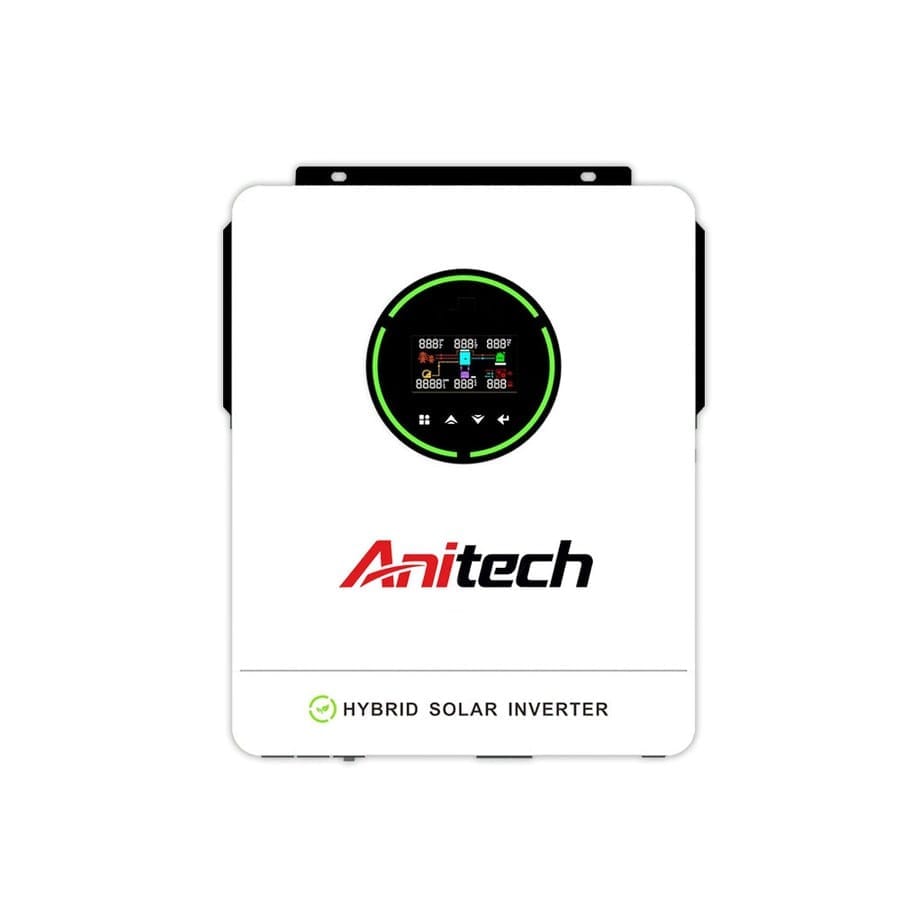
The development of battery storage has changed the role of solar inverters. Modern systems are no longer focused only on converting daytime solar generation into electricity. They increasingly manage energy generation, storage, and consumption as one integrated process.
An MPPT solar inverter connected with a battery system must coordinate two different energy functions.
The first function is photovoltaic optimization. MPPT technology ensures that solar panels generate as much usable energy as possible.
The second function is battery management. The system must determine when to charge the battery, when to use stored energy, and how to maintain battery operation within safe limits.
During periods of strong solar generation, excess energy can be directed toward battery charging. When solar output decreases, stored energy can support electrical loads.
This relationship requires compatibility between:
- inverter voltage range
- battery voltage
- charging current
- discharge capability
- battery management system communication
A battery with large storage capacity does not necessarily guarantee strong system performance. The battery must also provide sufficient power output when the inverter requires it.
For example, a system supporting high-demand electrical equipment may require a battery with stronger discharge capability rather than simply greater storage capacity.
This is why inverter and battery selection should be considered together during system design.
Batterytailor’s soluzioni inverter solari are designed around photovoltaic conversion requirements and can be evaluated together with storage system needs to create a more coordinated energy solution.
Specifiche chiave da valutare prima di scegliere un inverter solare MPPT
Selecting an MPPT solar inverter requires careful evaluation of technical specifications. The best inverter is not necessarily the one with the highest rating in one category, but the one whose specifications match the complete solar system.
The most important factors include:
Intervallo di tensione MPPT
The MPPT voltage range determines the operating window where the inverter can effectively track photovoltaic energy. The PV string design should fit within this range during normal operation.
Tensione CC massima
This value represents the highest DC input voltage the inverter can safely accept. The PV array must remain below this limit under all expected conditions.
Corrente massima di ingresso
The inverter must support the current produced by the PV strings. Excessive current can reduce performance or create system limitations.
Numero di canali MPPT
The number of trackers affects how flexibly the inverter can manage different PV groups.
Efficienza Conversione
MPPT performance and conversion efficiency are related but different. MPPT focuses on energy extraction from the PV array, while conversion efficiency focuses on reducing losses when changing DC electricity into AC power.
Compatibilità Batteria
For storage systems, battery voltage, charging capability, communication protocols, and discharge performance must match the inverter.
Funzioni di monitoraggio
Monitoring allows users to analyze system production, identify problems, and optimize operation.
A complete specification review should include:
| Specification | Purpose |
|---|---|
| Intervallo di tensione MPPT | PV optimization capability |
| Maximum DC voltage | PV safety limit |
| Maximum input current | PV compatibility |
| MPPT quantity | Array flexibility |
| AC output rating | Load support |
| Intervallo di tensione della batteria | Storage compatibility |
| Efficienza | Energy conversion performance |
| Monitoring | System analysis |
| Protection functions | Safe operation |
Errori comuni di selezione dell'invertitore solare MPPT
Although MPPT technology improves solar performance, incorrect system planning can prevent users from achieving expected results.
One common mistake is selecting an inverter only according to total PV power. The total wattage of solar panels does not reveal whether voltage and current characteristics match the inverter.
Another mistake is ignoring temperature effects. PV voltage changes with environmental conditions, so system designers must consider the highest and lowest expected operating temperatures.
Mixing different PV orientations on the same MPPT channel is another frequent issue. Panels facing different directions may have different operating points, reducing overall optimization.
Battery compatibility is also often overlooked in storage applications. A suitable inverter requires a battery that can provide appropriate charging and discharging performance.
Finally, some users focus only on inverter efficiency numbers while ignoring system design. A highly efficient inverter cannot overcome poor PV configuration, incorrect battery selection, or unsuitable load planning.
The best results come from treating the solar system as a complete energy architecture.
Applicazioni di inverter solari MPPT in sistemi residenziali e commerciali
The application scenarios of an MPPT solar inverter continue to expand as photovoltaic systems become more diverse. Although the basic principle of maximizing solar energy extraction remains the same, different applications require different inverter characteristics, system configurations, and energy management strategies.
In residential solar installations, the main objective is usually to maximize self-generated electricity while maintaining stable operation of household electrical equipment. Residential PV systems often include limited installation space, multiple roof angles, changing shading conditions, and increasing demand for battery storage. These factors make MPPT performance particularly valuable because the inverter must continuously adapt to changing generation conditions.
For example, a residential building may have solar panels installed on different roof sections. Some panels may receive direct sunlight during the morning, while others perform better in the afternoon. A multiple MPPT solar inverter can help manage these different PV conditions more effectively by allowing separate tracking of different array sections.
Commercial photovoltaic systems often introduce additional complexity. Larger installations may include hundreds or thousands of modules, multiple roof surfaces, ground-mounted arrays, and different operating environments. In these applications, accurate MPPT management becomes increasingly important because even small efficiency improvements can influence total energy production over the system lifetime.
Commercial applications may also integrate energy storage, load management, and monitoring platforms. In these cases, the MPPT solar inverter becomes part of a larger energy management system rather than functioning only as a conversion device.
Typical applications include:
| Applicazione | MPPT Requirements |
|---|---|
| Residential rooftop solar | Flexible tracking for different roof conditions |
| Commercial buildings | Multiple PV string management |
| Industrial solar systems | High current handling and monitoring |
| Battery storage systems | Coordination between PV generation and stored energy |
| Remote power systems | Reliable energy harvesting under variable conditions |
The correct inverter design depends on the actual application. The same MPPT technology may be used across different projects, but the required specifications can vary significantly depending on system size, PV layout, and energy objectives.
Come il monitoraggio migliora le prestazioni dell'inverter solare MPPT
Monitoring has become an increasingly important feature of modern photovoltaic systems. An MPPT solar inverter does not simply optimize energy generation internally; it also provides valuable information that helps users understand how the system is operating.
Monitoring platforms can display information such as:
- current PV power generation
- daily and historical energy production
- MPPT operating conditions
- inverter efficiency
- battery charging and discharging status
- system warnings and protection events
This information helps identify whether the photovoltaic system is performing as expected.
For example, if a solar system suddenly produces less energy than usual, monitoring data can help determine possible causes. The issue may come from reduced sunlight, shading, abnormal PV string performance, inverter limitations, or battery-related factors.
Without monitoring, it can be difficult to distinguish between normal changes in solar production and actual system problems.
Monitoring is especially valuable in larger installations where manual inspection of individual components is more difficult. By analyzing operating data, system operators can identify performance changes and take corrective actions more efficiently.
An intelligent MPPT solar inverter therefore provides not only energy optimization but also operational visibility.
Funzioni di protezione nei sistemi di inverter solari MPPT
A reliable photovoltaic system requires more than efficient energy conversion. Protection functions are essential for maintaining safe operation under abnormal conditions.
An MPPT solar inverter typically includes multiple protection mechanisms designed to respond to electrical and environmental changes.
Common protection functions include:
- overvoltage protection
- overcurrent protection
- short-circuit protection
- overheating protection
- ground fault protection
- abnormal grid condition protection
- reverse polarity protection
These protections help prevent damage to inverter components, PV modules, batteries, and connected electrical equipment.
The PV side and AC side have different electrical characteristics, so protection design must consider the entire system architecture. For example, the DC side can experience high voltage from photovoltaic strings, while the battery side may involve high current during charging and discharging.
Proper protection also depends on installation quality. Incorrect wiring, unsuitable protective devices, poor grounding, or inadequate environmental conditions can reduce the effectiveness of built-in protection functions.
Therefore, protection should not be considered only as an inverter feature. It is part of a complete solar system design involving equipment selection, electrical installation, and ongoing maintenance.
Fattori di installazione che influiscono sulle prestazioni dell'inverter solare MPPT
Even the most advanced MPPT solar inverter depends on correct installation to achieve expected performance. Poor installation decisions can reduce energy production, create unnecessary losses, and shorten equipment lifespan.
One important factor is inverter placement. The installation environment affects temperature management and reliability. Excessive heat can influence electronic components and may cause the inverter to reduce output under certain conditions.
Ventilation is particularly important because inverters generate heat during operation. Adequate airflow allows the cooling system to maintain appropriate operating temperatures.
Electrical connections are another critical factor. DC cables between PV modules and the inverter must be correctly sized according to voltage, current, and cable length. Incorrect cable selection can create voltage losses and reduce system efficiency.
The PV array layout also affects MPPT performance. Modules connected to the same MPPT input should ideally have similar operating conditions. Combining panels with significantly different orientations or shading patterns may reduce optimization effectiveness.
Important installation considerations include:
| Installation Factor | Impact on MPPT Performance |
|---|---|
| Inverter temperature | Affects electronic efficiency and reliability |
| Cable sizing | Influences electrical losses |
| PV string design | Determines MPPT operating conditions |
| Module orientation | Affects energy generation pattern |
| Shading management | Influences tracking performance |
| Ventilation | Supports stable operation |
Professional installation ensures that the inverter can operate within its designed conditions.
Come mantenere un inverter solare MPPT per l'affidabilità a lungo termine
Although modern solar inverters are designed for long-term operation, regular maintenance helps preserve performance and identify potential issues before they become serious problems.
The first step is reviewing system monitoring information. Historical data can reveal gradual changes in performance, such as reduced generation, abnormal operating temperatures, or unexpected shutdown events.
Physical inspection is also important. The inverter environment should remain clean, dry, and properly ventilated. Dust accumulation or blocked airflow can affect thermal performance.
Electrical connections should be checked periodically. Loose terminals, damaged cables, or signs of overheating may reduce efficiency or create safety concerns.
The PV array should also be inspected because MPPT performance depends directly on solar input quality. Problems such as damaged modules, connector issues, or unexpected shading can reduce energy generation.
A maintenance approach should focus on prevention rather than reaction. Regular checks allow system owners to maintain stable operation and maximize the useful life of the complete solar installation.
Tendenze future della tecnologia intelligente degli inverter solari MPPT
The future development of MPPT solar inverter technology is closely connected with the increasing intelligence of renewable energy systems.
Traditional inverters mainly focused on power conversion, but modern systems are becoming more focused on energy management. The inverter is increasingly responsible for coordinating photovoltaic generation, battery storage, electrical loads, and grid interaction.
One important trend is the integration of smarter algorithms. Advanced control systems may analyze larger amounts of operational data and improve tracking performance under complex conditions such as rapidly changing weather or partial shading.
Another trend is stronger integration with energy storage. As battery systems become more common, MPPT solar inverters are expected to provide more advanced communication and coordination with battery management systems.
Remote monitoring and digital management are also becoming more important. Users increasingly expect real-time information about energy production, system status, and performance optimization.
Future MPPT systems may become more adaptive by combining historical operating data, weather information, and energy consumption patterns to improve overall system efficiency.
The development direction is clear: the inverter is evolving from a simple conversion device into an intelligent energy management platform.
Come scegliere l'inverter solare MPPT giusto per il tuo sistema
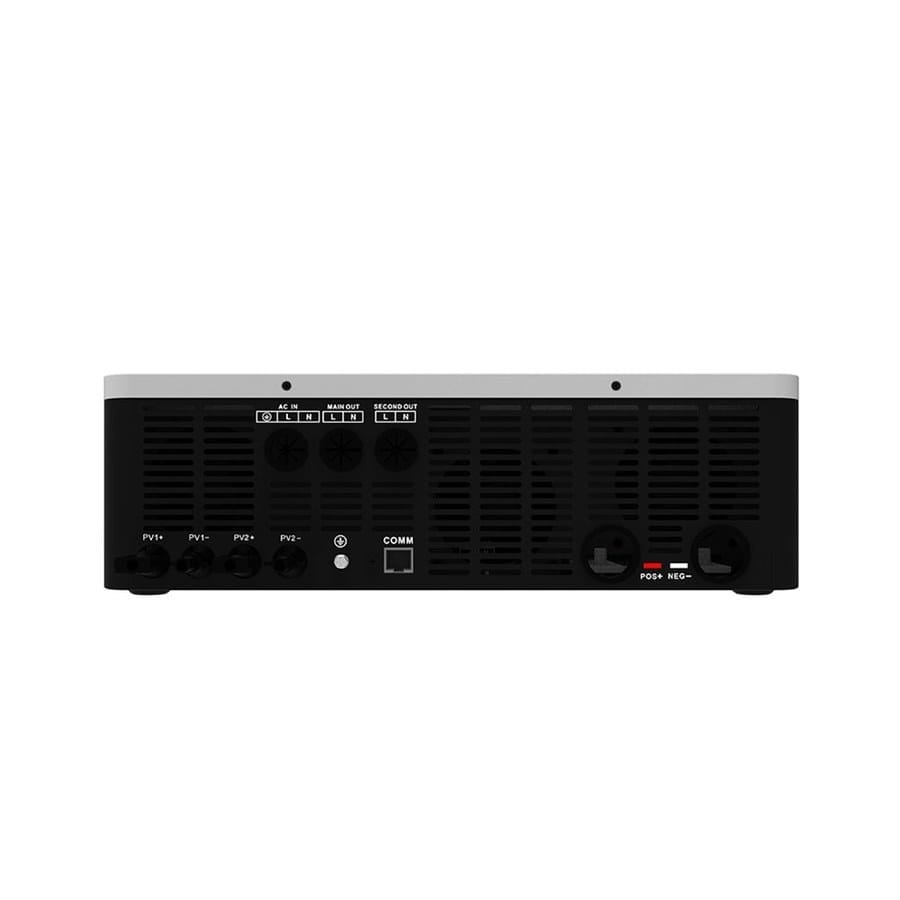
Selecting an MPPT solar inverter requires understanding the complete energy system rather than focusing on one specification.
The first step is analyzing the photovoltaic array. The inverter must support the planned PV voltage, current, power level, and string configuration.
The second step is evaluating the electrical application. Residential systems, commercial projects, backup systems, and storage applications may have different requirements.
The third step is considering future development. A system that may later add batteries, increase PV capacity, or support additional loads may require a different inverter configuration.
Important questions include:
- How many PV strings will be connected?
- Do different roof sections have different orientations?
- Will battery storage be included?
- What are the expected electrical loads?
- Are there sensitive electronic devices?
- Is future expansion required?
A suitable MPPT solar inverter should provide enough flexibility for current needs while maintaining compatibility with future system changes.
The goal is not simply to choose the most powerful inverter. The goal is to choose the inverter that best matches the actual energy architecture.
Conclusione
An MPPT solar inverter plays a critical role in improving photovoltaic system performance by continuously optimizing the relationship between solar panels and energy conversion. Unlike simple conversion devices, it actively responds to changing environmental conditions and helps capture more available solar energy.
The effectiveness of MPPT technology depends on many factors, including PV string design, inverter configuration, shading conditions, battery integration, installation quality, and monitoring capability.
A well-designed solar system requires every component to work together. Solar modules must provide suitable input conditions, the inverter must manage energy efficiently, batteries must support storage requirements, and electrical loads must match system capability.
By selecting a properly matched MPPT solar inverter and designing the complete photovoltaic system carefully, users can achieve more reliable energy production, improved efficiency, and stronger long-term system performance.
FAQ
What is an MPPT solar inverter?
An MPPT solar inverter is a photovoltaic inverter equipped with Maximum Power Point Tracking technology. It continuously adjusts the operating point of solar panels to capture the highest available power under changing sunlight, temperature, and environmental conditions.
Why is MPPT important in a solar inverter?
MPPT helps solar systems operate closer to their maximum power output by adjusting voltage and current conditions. Because photovoltaic generation changes throughout the day, MPPT technology allows the inverter to adapt and improve overall energy harvesting.
Is a solar inverter with multiple MPPT better?
A multiple MPPT solar inverter can provide advantages when PV panels have different orientations, shading conditions, or installation layouts. However, the best choice depends on the actual system design rather than the number of MPPT channels alone.
Can an MPPT solar inverter work with battery storage?
Yes, many MPPT solar inverters can be integrated with battery storage systems. The inverter and battery must have compatible voltage ranges, charging capabilities, discharge limits, and communication functions for reliable operation.
How can I improve MPPT solar inverter performance?
Performance can be improved through proper PV string design, suitable inverter selection, correct installation, regular monitoring, and maintenance. MPPT technology works most effectively when the entire solar system is designed as a coordinated solution.
Hai bisogno di aiuto per scegliere il giusto inverter solare MPPT?
If you’re unsure which MPPT solar inverter matches your photovoltaic array, battery storage requirements, system size, or energy goals, our experts are here to help. Contact us today for a personalized consultation and build a reliable solar power solution designed around your application needs.