












目次
紹介
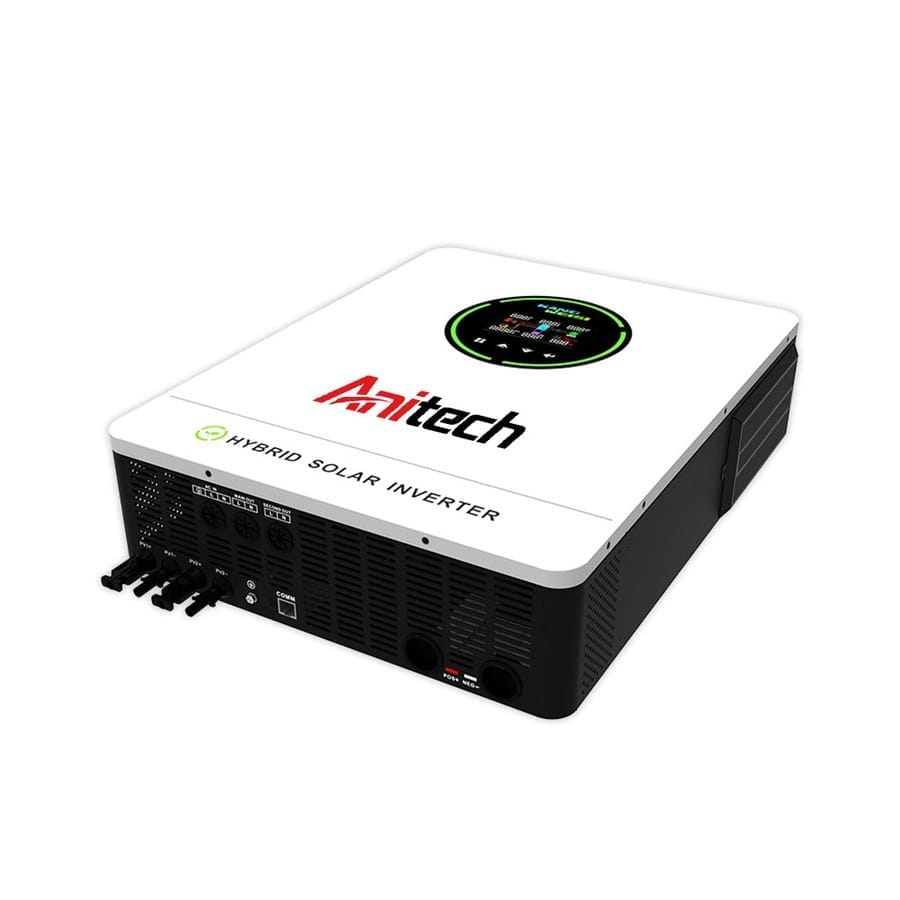
太陽光発電技術は過去数十年で大きく変化しました 初期の太陽光発電システムは主に利用可能な太陽光を電気に変換することに重点を置いていましたが、現代の太陽光発電アプリケーションでははるかに高いレベルの効率、柔軟性、インテリジェントな太陽光発電設備が大規模になり、蓄電池、エネルギー管理プラットフォーム、多様な電気負荷とより統合されるにつれて、インバーターはシステム全体のパフォーマンスを決定する最も重要なコンポーネントの1 つになりました。.
MPPT ソーラー インバーターは、単に DC 電気を AC 電力に変換するだけではなく、太陽光発電アレイの動作条件を継続的に分析し、太陽電池モジュールが最大電力点に近づいて動作できるように電気パラメータを調整するため、太陽光発電変換技術の重要な発展を表しています。.
この技術が重要な理由は、ソーラーパネルが一定量の電力を生成しないことです。その出力は、太陽光の強度、モジュールの温度、日陰の条件、設置角度、大気の条件、および電気的特性によって常に変化します。同じソーラーパネルを同じ場所に設置した場合でも、その出力は 1 日を通して大きく変化する可能性があります。.
効果的な追跡システムがなければ、太陽光発電アレイは理想的な点から離れて動作し、利用可能なエネルギーポテンシャルの一部を失う可能性があります。 MPPT ソーラー インバーターは、PV アレイからの電圧と電流の関係を動的に制御することで、この課題の解決に役立ちます。.
しかし、MPPT技術は成功した太陽系の一部にすぎません インバータは、太陽光発電の設計、バッテリ要件、電気負荷、および長期的な動作目標にも適合する必要があります MPPT電圧範囲、入力電流容量、トラッカーの数、変換効率、監視機能、保護システムなどの要因はすべて、実用的なパフォーマンスに影響します。.
この記事では、MPPT ソーラー インバーター テクノロジーがどのように機能するか、最大電力点追跡によって太陽光発電が改善される理由、さまざまな MPPT 設計がシステム パフォーマンスにどのような影響を与えるか、住宅、商業、エネルギー貯蔵用途向けにインバーターを選択する際にどのような要素を考慮する必要があるかについて説明します。.
MPPT ソーラーインバーターとは何ですか?
MPPT ソーラー インバーターは、最大電力点追跡技術を搭載した太陽光発電インバーターで、ソーラー パネルの電気動作条件を継続的に調整して、利用可能な最高の電力を捕捉します。.
太陽光発電モジュールには、電圧、電流、電力の間に特定の関係があります。いつでも、電圧と電流の組み合わせによって最高の電力が生成される動作点が 1 つあります。この点は最大電力点として知られています。.
課題は、この点が固定されていないことです。 太陽の状態は常に変化しています。太陽光が強くなると、PV モジュールから利用可能な電流が増加します。温度が上昇すると、モジュールの電圧は通常低下します。日陰が太陽電池アレイの一部に影響を与える場合、システムの電気特性は大きく変化する可能性があります。.
MPPT ソーラー インバーターはこれらの変化を監視し、それに応じて入力動作を調整します。インバーターは、PV アレイを固定電圧で動作させる代わりに、利用可能な最高の電力を提供する動作状態を探して維持します。.
MPPT の役割は、インテリジェントなエネルギー最適化プロセスと比較できます。太陽電池モジュールは利用可能なエネルギーを生成しますが、MPPT コントローラーは、そのエネルギーを最も効果的に捕捉するためにインバーターがそれらのモジュールとどのように相互作用するかを決定します。.
最新の MPPT ソーラー インバーターは、システムの適応性を向上させるため広く使用されています。これにより、太陽光発電設備は、太陽光資源が一定であることがほとんどない現実世界の条件下で、より良いパフォーマンスを維持できるようになります。.
したがって、インバータは単なる DC と AC の電気の変換器ではありません。太陽光発電とエネルギー変換の関係を管理するインテリジェントな制御デバイスになります。.
インバーター内での最大電力点追跡の仕組み
MPPT の動作を理解するには、太陽光発電モジュールの電気的挙動を理解することが重要です。.
ソーラーパネルは電力が無制限に発生しません その出力は電圧と電流の関係に依存します 電圧が増減すると電流も変化します その結果、電流条件下で1 つの点が可能な最高出力を表す一意の電力曲線が得られます。.
MPPT コントローラーは、PV の電気特性を継続的に測定し、インバーターの入力条件を調整してこの点を特定します。.
このプロセスには通常、次の 3 つのステップが含まれます:
まず、インバータは現在の動作電圧と太陽光発電アレイの電流を測定します。これらの測定により、制御システムは現在の出力を計算できます。.
第二に、MPPTアルゴリズムは、動作点を変更すると利用可能な電力が増加するか減少するかを分析します。異なる電圧または電流の組み合わせによりより高い出力が生成される可能性がある場合、コントローラは動作条件を調整します。.
第三に、システムは動作中このプロセスを繰り返し継続します。太陽の状態は継続的に変化するため、MPPT は 1 回限りの調整ではなく、継続的な最適化プロセスです。.
この動的調整により、MPPTソーラーインバーターは次のことに応答できます:
- 日光の強さを変える
- 温度の変動
- 雲の動き
- 部分シェーディング
- 異なるPVアレイ条件
このプロセスの有効性は、MPPT アルゴリズムの品質、インバーター ハードウェア、サンプリング速度、およびシステム設計に依存します。.
高品質の MPPT システムは追加の太陽エネルギーを生成しません。代わりに、利用可能な太陽エネルギーを AC 電力に変換する前に、より効果的に回収するのに役立ちます。.
PV 曲線と最大電力点を理解する
PV 曲線の概念は、MPPT テクノロジーが必要な理由を理解するための基礎となります。.
太陽光発電モジュールには、電流-電圧曲線と電力-電圧曲線という 2 つの重要な電気的関係があります。.
電流-電圧曲線は、電圧の変化に応じて電流がどのように変化するかを示します。電圧レベルが低い場合、PV モジュールは通常、より高い電流を供給できます。電圧が増加すると、電流は徐々に減少します。.
電力-電圧曲線はこれら2 つの因子を組み合わせています。 power は電圧に電流を掛けたものに等しいので、曲線は電圧と電流の積が最も高いピークに達します。 このピークは最大電力点を表します。.
この点の位置は環境条件によって変化します。.
たとえば、太陽放射照度が増加すると、PV モジュールはより多くの電流を生成できるため、最大電力点は一般に上に移動します。.
温度が上昇すると、通常、モジュール電圧が低下し、最大電力点がシフトします。.
シェーディングが PV アレイに影響を与える場合、曲線がより複雑になり、複数の可能な電力ポイントが発生する可能性があります。これが、高度な MPPT テクノロジーが価値がある理由の 1 つです。なぜなら、単に固定設定に従うのではなく、真の最適な動作条件を特定する必要があるからです。.
MPPT ソーラー インバーターは、これらの電気特性を太陽エネルギー生産を最適化する基盤として使用します。.
ソーラーパネルの出力が一日を通して変化する理由
多くのユーザーは、太陽光が利用できるときはいつでも、ソーラー パネルが予測可能な量の電力を生成すると想定しています。実際には、太陽光発電の出力は 1 日を通して継続的に変化します。.
最も明白な要因は太陽光の強度です。太陽放射は、時間、気象条件、雲の被覆率、大気条件によって異なります。直射日光の下で高出力を生成する太陽電池アレイは、曇りの期間中に生成する出力が大幅に低下する可能性があります。.
温度も重要な要素です。太陽光が強くなると発電電位が増加しますが、モジュール温度が高くなると電圧出力が低下する可能性があります。これは、非常に高温な条件が常に最大のエネルギー生産をもたらすわけではないことを意味します。.
設置方向も動作点に影響します。さまざまな方向を向いたパネルは、1 日を通してさまざまな量の太陽光を受け取り、PV グループ間でさまざまな電気的特性を生み出す可能性があります。.
シェーディングは別の課題を引き起こします。近くの構造物、植生、または環境の変化による部分的なシェーディングは、個々のモジュールに影響を与え、全体的な PV 曲線を変える可能性があります。.
これらの条件は継続的に変化するため、固定インバーターの動作点が常に利用可能なエネルギーを最大化できるわけではありません。 MPPT ソーラー インバーターは、現実世界の太陽光発電の動作に必要な適応性を提供します。.
ソーラーインバーターで使用されるさまざまな MPPT アルゴリズム
MPPT ソーラー インバーターのパフォーマンスは、最大電力点の位置を特定して維持するために使用されるアルゴリズムに部分的に依存します。アルゴリズムが異なれば、PV の動作を分析するために異なるアプローチが使用されます。.
よく使われる方法の1 つはPerturb and Observeで、しばしばP&Oと呼ばれます。 このアプローチは動作電圧をわずかに調整し、電力出力が増加するか減少するかを観察します。変更によって発電量が改善されると、アルゴリズムはその方向に継続します。出力が減少すると、調整が逆転します。.
P&O の利点は、シンプルで比較的簡単に実装できることです。ただし、急速に変化する太陽光条件下では、調整後の変化の観察に依存するため、一時的に真の最大電力点から離れる可能性があります。.
もう 1 つのアプローチは、インクリメンタル コンダクタンスです。この方法は、電流と電圧の変化の関係を分析して、動作点が最大電力点の上か下かを判断します。急速に変化する条件下ではより正確に応答できますが、一般的にはより複雑な制御計算が必要です。.
最新の MPPT ソーラー インバーターには、追跡速度と精度を向上させるために設計された高度な制御方法が組み込まれている場合もあります。.
アルゴリズムの選択は、インバーターが変化する条件にどれだけ迅速かつ正確に対応するかに影響します。ただし、実際のパフォーマンスはハードウェアの品質、システム設計、設置条件にも依存します。.
洗練された MPPT アルゴリズムでは、誤って設計された PV アレイを補正することはできません。インバーターと太陽光発電システムは引き続き適切に照合する必要があります。.
単一 MPPT 対複数の MPPT ソーラー インバーター設計
MPPT ソーラー インバーターを選択する際の最も重要な設計上の考慮事項の 1 つは、利用可能な独立した MPPT チャネルの数です。 MPPT の基本的な機能は変わりませんが、トラッカーの数は、インバーターがさまざまな太陽光発電アレイ条件をどれだけ効果的に管理しているかに大きく影響します。.
単一の MPPT インバーターは、接続されているすべての PV ストリングを 1 つの電気グループとして扱います。このアプローチは、すべての太陽電池モジュールが同じ向き、傾斜角、陰影条件、環境暴露など、同様の特性を持っている場合にうまく機能します。.
たとえば、すべてのパネルが同じ方向を向いており、一日を通して同様の太陽光を受ける単純な屋上設置は、単一の MPPT チャネルで効果的に動作する可能性があります。.
しかし、現実世界の多くのインスタレーションはより複雑です 建物は、多くの場合、複数の屋根の表面、異なるパネルの向き、または部分的なシェーディングの影響を受ける領域を持っています このような状況では、すべてのPVストリングを強制的に一緒に動作させると、アレイの異なるセクションが最適な動作点を異なる可能性があるため、エネルギーハーベスティングを削減できます。.
複数のMPPTソーラーインバーターにより、別々のPVグループが独立して動作することができます。各MPPTチャネルは、接続されたPVストリンググループの最大電力点を追跡できるため、柔軟性が向上し、アレイセクション間の違いの影響が軽減されます。.
複数のMPPT設計の利点には、次のようなものがあります:
| システム状態 | シングル MPPT デザイン | 複数の MPPT 設計 |
|---|---|---|
| 同じ屋根の向き | 適し | 適し |
| 屋根の方向が異なります | 限定的な最適化 | より良い適応 |
| 部分的な陰影 | より影響を受けます | より良い管理 |
| 複数のPV文字列グループ | 柔軟性が低い | より柔軟 |
| 複雑な商業施設 | 制限が生じる可能性があります | より適している |
ただし、MPPT チャネルが増えても自動的にパフォーマンスが向上するわけではありません。システムは実際の PV 条件に従って設計される必要があります。不必要に複雑な MPPT 構成により、有意義なエネルギー改善が行われずにシステムの複雑さが増す可能性があります。.
The correct approach is to analyze the photovoltaic layout first and then select an MPPT solar inverter that matches the physical characteristics of the installation.
部分シェーディングが MPPT パフォーマンスに与える影響
Partial shading is one of the most challenging conditions for photovoltaic systems because it changes the electrical behavior of solar modules.
Unlike traditional electrical sources, solar panels are directly affected by environmental conditions. When one section of a PV array receives less sunlight than another, the shaded modules may produce lower current, creating an imbalance within the string.
This can cause the PV curve to become more complicated. Instead of having one obvious maximum power point, partially shaded arrays may create multiple local peaks. The inverter must identify the actual global maximum power point to capture the highest available energy.
A high-quality MPPT solar inverter uses advanced tracking strategies to respond to these conditions. However, inverter technology alone cannot eliminate all shading losses. Proper PV system design remains essential.
Several methods can help reduce the impact of shading:
- designing PV strings according to actual sunlight conditions
- separating different roof orientations into independent MPPT channels
- avoiding unnecessary mixing of shaded and unshaded modules
- selecting suitable module layouts during system planning
For example, connecting panels from a heavily shaded area together with panels receiving full sunlight may force the entire group to operate under less favorable conditions.
The inverter, PV array, and installation environment must therefore be considered together. MPPT technology provides optimization capability, but good system design determines how effectively that capability can be used.
MPPT 効率と太陽エネルギー収量の関係
When discussing MPPT solar inverter performance, it is important to understand the relationship between tracking efficiency and total energy production.
MPPT efficiency describes how accurately the inverter can locate and maintain operation near the maximum power point of the PV array. A higher tracking efficiency means less available solar energy is lost during the conversion process.
However, daily energy yield depends on many factors beyond MPPT performance.
The total energy produced by a solar system is influenced by:
- solar radiation availability
- module efficiency
- PV array orientation
- shading conditions
- inverter conversion efficiency
- temperature effects
- system losses
- electrical configuration
This means a high-performance MPPT solar inverter works best when combined with proper photovoltaic design.
For example, an inverter with advanced tracking technology cannot fully compensate for an incorrectly sized PV string. If the string voltage operates outside the ideal MPPT range, the inverter may not be able to achieve optimal tracking performance.
Similarly, excessive input current or poor module arrangement can limit the inverter’s ability to maximize energy production.
The practical goal is not simply to purchase the inverter with the highest technical specifications. The goal is to create a balanced system where PV modules, inverter inputs, and operating conditions work together efficiently.
MPPT ソーラーインバーターと PV ストリング設計原則
PV string design is one of the most important factors affecting MPPT solar inverter performance. Even advanced inverter technology depends on receiving suitable DC input conditions.
A photovoltaic string consists of multiple solar modules connected in series. The number of modules determines the string voltage, while the number of parallel strings determines the total input current.
Both voltage and current must remain within the inverter’s supported range.
電圧に関する考慮事項
The first consideration is maximum DC voltage. Solar modules produce higher voltage under certain conditions, particularly at lower temperatures. Therefore, designers must calculate the highest possible string voltage and ensure it remains below the inverter’s maximum input limit.
At the same time, the normal operating voltage of the string should remain inside the MPPT tracking range. A string that operates too far outside this range may reduce energy harvesting efficiency.
現在の考慮事項
Current is also critical. Adding more parallel PV strings increases total input current. If the current exceeds the inverter’s MPPT input capability, the system may not operate as expected.
The inverter should be selected based on:
| PV Parameter | Design Importance |
|---|---|
| 開回路電圧 | Prevents excessive DC voltage |
| Operating voltage | Maintains effective MPPT tracking |
| Short-circuit current | Helps evaluate maximum current conditions |
| Number of modules per string | Determines voltage characteristics |
| Parallel string quantity | Determines current input |
| Temperature variation | Influences voltage changes |
A professional PV design considers both normal and extreme operating conditions rather than only average values.
MPPT がバッテリーエネルギー貯蔵システムとどのように連携するか
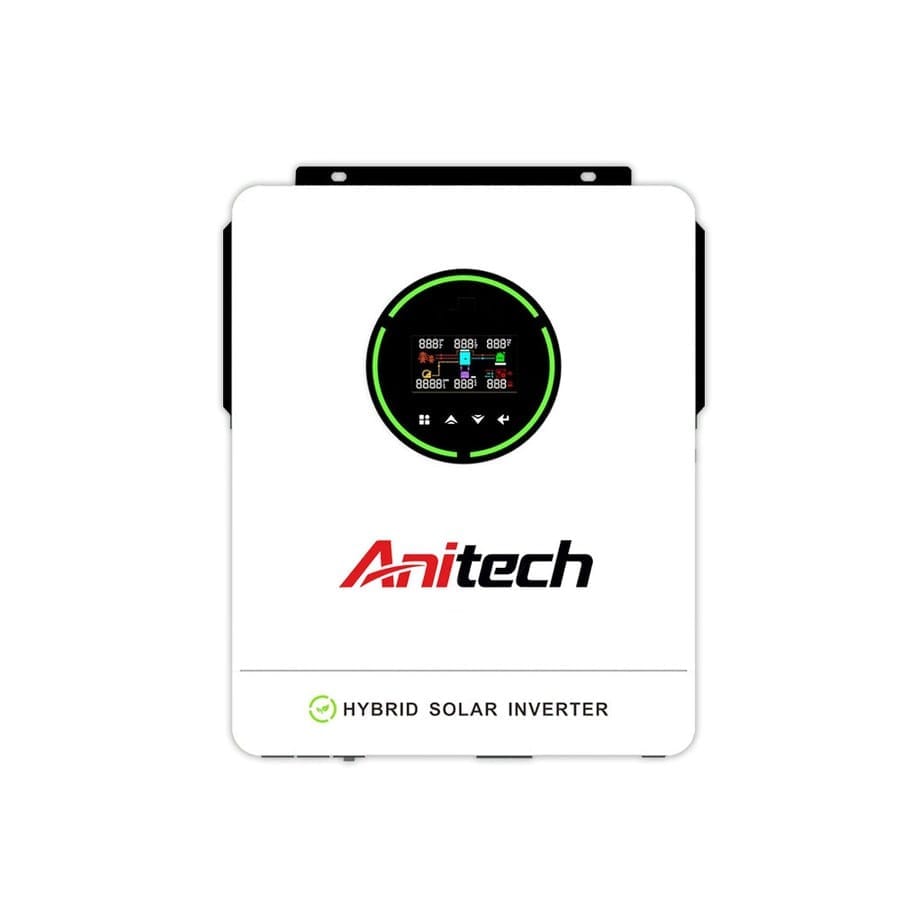
The development of battery storage has changed the role of solar inverters. Modern systems are no longer focused only on converting daytime solar generation into electricity. They increasingly manage energy generation, storage, and consumption as one integrated process.
An MPPT solar inverter connected with a battery system must coordinate two different energy functions.
The first function is photovoltaic optimization. MPPT technology ensures that solar panels generate as much usable energy as possible.
The second function is battery management. The system must determine when to charge the battery, when to use stored energy, and how to maintain battery operation within safe limits.
During periods of strong solar generation, excess energy can be directed toward battery charging. When solar output decreases, stored energy can support electrical loads.
This relationship requires compatibility between:
- inverter voltage range
- battery voltage
- charging current
- discharge capability
- battery management system communication
A battery with large storage capacity does not necessarily guarantee strong system performance. The battery must also provide sufficient power output when the inverter requires it.
For example, a system supporting high-demand electrical equipment may require a battery with stronger discharge capability rather than simply greater storage capacity.
This is why inverter and battery selection should be considered together during system design.
Batterytailor’s ソーラーインバータソリューション are designed around photovoltaic conversion requirements and can be evaluated together with storage system needs to create a more coordinated energy solution.
MPPT ソーラー インバーターを選択する前に評価するための主な仕様
Selecting an MPPT solar inverter requires careful evaluation of technical specifications. The best inverter is not necessarily the one with the highest rating in one category, but the one whose specifications match the complete solar system.
The most important factors include:
MPPT 電圧範囲
The MPPT voltage range determines the operating window where the inverter can effectively track photovoltaic energy. The PV string design should fit within this range during normal operation.
最大 DC 電圧
This value represents the highest DC input voltage the inverter can safely accept. The PV array must remain below this limit under all expected conditions.
最大入力電流
The inverter must support the current produced by the PV strings. Excessive current can reduce performance or create system limitations.
MPPT チャネルの数
The number of trackers affects how flexibly the inverter can manage different PV groups.
変換効率
MPPT performance and conversion efficiency are related but different. MPPT focuses on energy extraction from the PV array, while conversion efficiency focuses on reducing losses when changing DC electricity into AC power.
バッテリーの互換性
For storage systems, battery voltage, charging capability, communication protocols, and discharge performance must match the inverter.
監視機能
Monitoring allows users to analyze system production, identify problems, and optimize operation.
A complete specification review should include:
| 指定 | Purpose |
|---|---|
| MPPT の電圧範囲 | PV optimization capability |
| 最大 DC 電圧 | PV safety limit |
| 最大入力電流 | PV compatibility |
| MPPT quantity | Array flexibility |
| AC output rating | Load support |
| バッテリー電圧範囲 | Storage compatibility |
| 効率 | Energy conversion performance |
| Monitoring | System analysis |
| 保護機能 | Safe operation |
一般的な MPPT ソーラーインバーターの選択ミス
Although MPPT technology improves solar performance, incorrect system planning can prevent users from achieving expected results.
One common mistake is selecting an inverter only according to total PV power. The total wattage of solar panels does not reveal whether voltage and current characteristics match the inverter.
Another mistake is ignoring temperature effects. PV voltage changes with environmental conditions, so system designers must consider the highest and lowest expected operating temperatures.
Mixing different PV orientations on the same MPPT channel is another frequent issue. Panels facing different directions may have different operating points, reducing overall optimization.
Battery compatibility is also often overlooked in storage applications. A suitable inverter requires a battery that can provide appropriate charging and discharging performance.
Finally, some users focus only on inverter efficiency numbers while ignoring system design. A highly efficient inverter cannot overcome poor PV configuration, incorrect battery selection, or unsuitable load planning.
The best results come from treating the solar system as a complete energy architecture.
住宅および商業システムにおける MPPT ソーラー インバーター アプリケーション
The application scenarios of an MPPT solar inverter continue to expand as photovoltaic systems become more diverse. Although the basic principle of maximizing solar energy extraction remains the same, different applications require different inverter characteristics, system configurations, and energy management strategies.
In residential solar installations, the main objective is usually to maximize self-generated electricity while maintaining stable operation of household electrical equipment. Residential PV systems often include limited installation space, multiple roof angles, changing shading conditions, and increasing demand for battery storage. These factors make MPPT performance particularly valuable because the inverter must continuously adapt to changing generation conditions.
For example, a residential building may have solar panels installed on different roof sections. Some panels may receive direct sunlight during the morning, while others perform better in the afternoon. A multiple MPPT solar inverter can help manage these different PV conditions more effectively by allowing separate tracking of different array sections.
Commercial photovoltaic systems often introduce additional complexity. Larger installations may include hundreds or thousands of modules, multiple roof surfaces, ground-mounted arrays, and different operating environments. In these applications, accurate MPPT management becomes increasingly important because even small efficiency improvements can influence total energy production over the system lifetime.
Commercial applications may also integrate energy storage, load management, and monitoring platforms. In these cases, the MPPT solar inverter becomes part of a larger energy management system rather than functioning only as a conversion device.
Typical applications include:
| アプリケーション | MPPT Requirements |
|---|---|
| Residential rooftop solar | Flexible tracking for different roof conditions |
| Commercial buildings | Multiple PV string management |
| Industrial solar systems | High current handling and monitoring |
| Battery storage systems | Coordination between PV generation and stored energy |
| Remote power systems | Reliable energy harvesting under variable conditions |
The correct inverter design depends on the actual application. The same MPPT technology may be used across different projects, but the required specifications can vary significantly depending on system size, PV layout, and energy objectives.
モニタリングにより MPPT ソーラーインバーターのパフォーマンスがどのように向上するか
Monitoring has become an increasingly important feature of modern photovoltaic systems. An MPPT solar inverter does not simply optimize energy generation internally; it also provides valuable information that helps users understand how the system is operating.
Monitoring platforms can display information such as:
- current PV power generation
- daily and historical energy production
- MPPT operating conditions
- inverter efficiency
- battery charging and discharging status
- system warnings and protection events
This information helps identify whether the photovoltaic system is performing as expected.
For example, if a solar system suddenly produces less energy than usual, monitoring data can help determine possible causes. The issue may come from reduced sunlight, shading, abnormal PV string performance, inverter limitations, or battery-related factors.
Without monitoring, it can be difficult to distinguish between normal changes in solar production and actual system problems.
Monitoring is especially valuable in larger installations where manual inspection of individual components is more difficult. By analyzing operating data, system operators can identify performance changes and take corrective actions more efficiently.
An intelligent MPPT solar inverter therefore provides not only energy optimization but also operational visibility.
MPPT ソーラーインバーターシステムの保護機能
A reliable photovoltaic system requires more than efficient energy conversion. Protection functions are essential for maintaining safe operation under abnormal conditions.
An MPPT solar inverter typically includes multiple protection mechanisms designed to respond to electrical and environmental changes.
Common protection functions include:
- overvoltage protection
- overcurrent protection
- short-circuit protection
- overheating protection
- ground fault protection
- abnormal grid condition protection
- reverse polarity protection
These protections help prevent damage to inverter components, PV modules, batteries, and connected electrical equipment.
The PV side and AC side have different electrical characteristics, so protection design must consider the entire system architecture. For example, the DC side can experience high voltage from photovoltaic strings, while the battery side may involve high current during charging and discharging.
Proper protection also depends on installation quality. Incorrect wiring, unsuitable protective devices, poor grounding, or inadequate environmental conditions can reduce the effectiveness of built-in protection functions.
Therefore, protection should not be considered only as an inverter feature. It is part of a complete solar system design involving equipment selection, electrical installation, and ongoing maintenance.
MPPT ソーラーインバーターのパフォーマンスに影響を与える設置要因
Even the most advanced MPPT solar inverter depends on correct installation to achieve expected performance. Poor installation decisions can reduce energy production, create unnecessary losses, and shorten equipment lifespan.
One important factor is inverter placement. The installation environment affects temperature management and reliability. Excessive heat can influence electronic components and may cause the inverter to reduce output under certain conditions.
Ventilation is particularly important because inverters generate heat during operation. Adequate airflow allows the cooling system to maintain appropriate operating temperatures.
Electrical connections are another critical factor. DC cables between PV modules and the inverter must be correctly sized according to voltage, current, and cable length. Incorrect cable selection can create voltage losses and reduce system efficiency.
The PV array layout also affects MPPT performance. Modules connected to the same MPPT input should ideally have similar operating conditions. Combining panels with significantly different orientations or shading patterns may reduce optimization effectiveness.
Important installation considerations include:
| Installation Factor | Impact on MPPT Performance |
|---|---|
| Inverter temperature | Affects electronic efficiency and reliability |
| Cable sizing | Influences electrical losses |
| PV string design | Determines MPPT operating conditions |
| Module orientation | Affects energy generation pattern |
| Shading management | Influences tracking performance |
| Ventilation | Supports stable operation |
Professional installation ensures that the inverter can operate within its designed conditions.
長期信頼性を確保するために MPPT ソーラー インバーターを維持する方法
Although modern solar inverters are designed for long-term operation, regular maintenance helps preserve performance and identify potential issues before they become serious problems.
The first step is reviewing system monitoring information. Historical data can reveal gradual changes in performance, such as reduced generation, abnormal operating temperatures, or unexpected shutdown events.
Physical inspection is also important. The inverter environment should remain clean, dry, and properly ventilated. Dust accumulation or blocked airflow can affect thermal performance.
Electrical connections should be checked periodically. Loose terminals, damaged cables, or signs of overheating may reduce efficiency or create safety concerns.
The PV array should also be inspected because MPPT performance depends directly on solar input quality. Problems such as damaged modules, connector issues, or unexpected shading can reduce energy generation.
A maintenance approach should focus on prevention rather than reaction. Regular checks allow system owners to maintain stable operation and maximize the useful life of the complete solar installation.
インテリジェント MPPT ソーラー インバーター テクノロジーの将来のトレンド
The future development of MPPT solar inverter technology is closely connected with the increasing intelligence of renewable energy systems.
Traditional inverters mainly focused on power conversion, but modern systems are becoming more focused on energy management. The inverter is increasingly responsible for coordinating photovoltaic generation, battery storage, electrical loads, and grid interaction.
One important trend is the integration of smarter algorithms. Advanced control systems may analyze larger amounts of operational data and improve tracking performance under complex conditions such as rapidly changing weather or partial shading.
Another trend is stronger integration with energy storage. As battery systems become more common, MPPT solar inverters are expected to provide more advanced communication and coordination with battery management systems.
Remote monitoring and digital management are also becoming more important. Users increasingly expect real-time information about energy production, system status, and performance optimization.
Future MPPT systems may become more adaptive by combining historical operating data, weather information, and energy consumption patterns to improve overall system efficiency.
The development direction is clear: the inverter is evolving from a simple conversion device into an intelligent energy management platform.
システムに最適な MPPT ソーラー インバーターを選択する方法
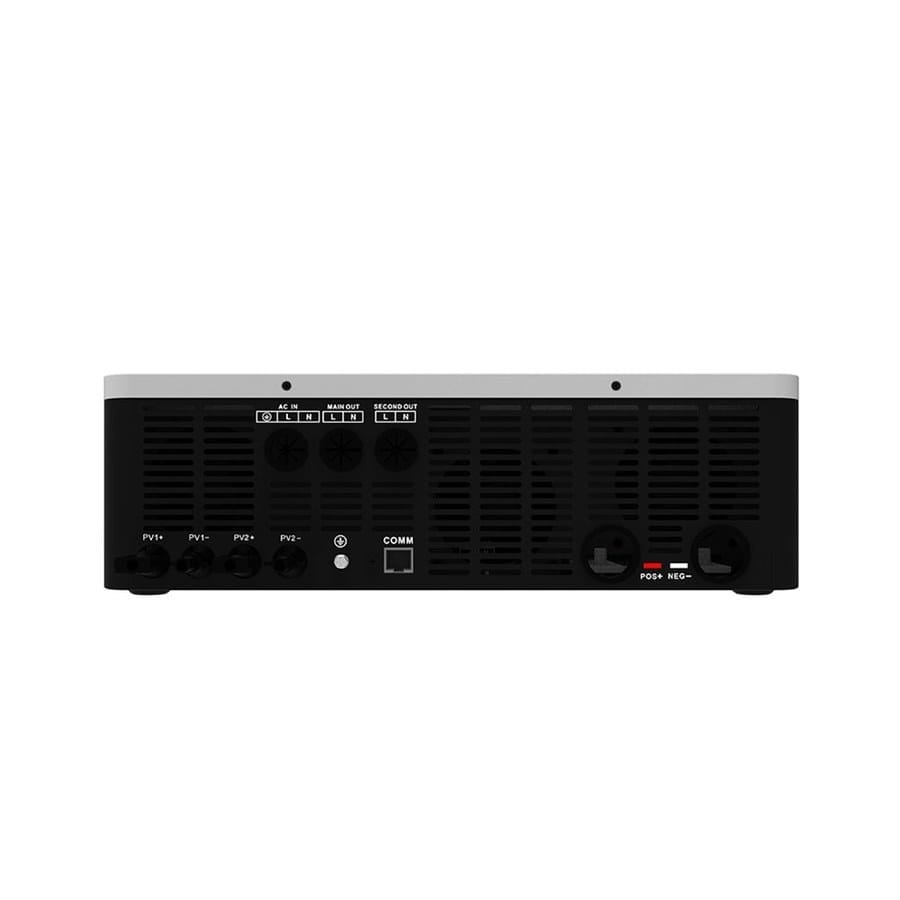
Selecting an MPPT solar inverter requires understanding the complete energy system rather than focusing on one specification.
The first step is analyzing the photovoltaic array. The inverter must support the planned PV voltage, current, power level, and string configuration.
The second step is evaluating the electrical application. Residential systems, commercial projects, backup systems, and storage applications may have different requirements.
The third step is considering future development. A system that may later add batteries, increase PV capacity, or support additional loads may require a different inverter configuration.
Important questions include:
- How many PV strings will be connected?
- Do different roof sections have different orientations?
- Will battery storage be included?
- What are the expected electrical loads?
- Are there sensitive electronic devices?
- Is future expansion required?
A suitable MPPT solar inverter should provide enough flexibility for current needs while maintaining compatibility with future system changes.
The goal is not simply to choose the most powerful inverter. The goal is to choose the inverter that best matches the actual energy architecture.
結論
An MPPT solar inverter plays a critical role in improving photovoltaic system performance by continuously optimizing the relationship between solar panels and energy conversion. Unlike simple conversion devices, it actively responds to changing environmental conditions and helps capture more available solar energy.
The effectiveness of MPPT technology depends on many factors, including PV string design, inverter configuration, shading conditions, battery integration, installation quality, and monitoring capability.
A well-designed solar system requires every component to work together. Solar modules must provide suitable input conditions, the inverter must manage energy efficiently, batteries must support storage requirements, and electrical loads must match system capability.
By selecting a properly matched MPPT solar inverter and designing the complete photovoltaic system carefully, users can achieve more reliable energy production, improved efficiency, and stronger long-term system performance.
よくある質問
What is an MPPT solar inverter?
An MPPT solar inverter is a photovoltaic inverter equipped with Maximum Power Point Tracking technology. It continuously adjusts the operating point of solar panels to capture the highest available power under changing sunlight, temperature, and environmental conditions.
Why is MPPT important in a solar inverter?
MPPT helps solar systems operate closer to their maximum power output by adjusting voltage and current conditions. Because photovoltaic generation changes throughout the day, MPPT technology allows the inverter to adapt and improve overall energy harvesting.
Is a solar inverter with multiple MPPT better?
A multiple MPPT solar inverter can provide advantages when PV panels have different orientations, shading conditions, or installation layouts. However, the best choice depends on the actual system design rather than the number of MPPT channels alone.
Can an MPPT solar inverter work with battery storage?
Yes, many MPPT solar inverters can be integrated with battery storage systems. The inverter and battery must have compatible voltage ranges, charging capabilities, discharge limits, and communication functions for reliable operation.
How can I improve MPPT solar inverter performance?
Performance can be improved through proper PV string design, suitable inverter selection, correct installation, regular monitoring, and maintenance. MPPT technology works most effectively when the entire solar system is designed as a coordinated solution.
適切な MPPT ソーラー インバーターを選択するにはサポートが必要ですか?
If you’re unsure which MPPT solar inverter matches your photovoltaic array, battery storage requirements, system size, or energy goals, our experts are here to help. Contact us today for a personalized consultation and build a reliable solar power solution designed around your application needs.