












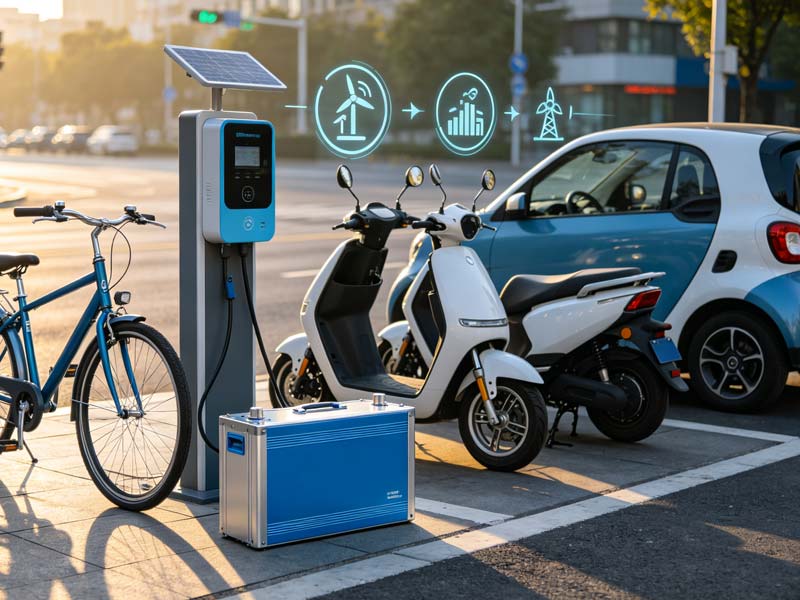
Electric two-wheelers and low-speed vehicles benefit from longer range and lower maintenance.
The global shift toward cleaner urban transportation is accelerating demand for lightweight, efficient, and affordable batteries for low-speed electric vehicles. In this market, 48V lithium iron phosphate batteries are becoming the preferred choice for electric bicycles, electric motorcycles, tricycles, and low-speed four-wheel mobility scooters. Compared with traditional lead-acid batteries, lithium-based solutions offer significant advantages in weight, cycle life, and energy density.
A 48V lithium battery pack can deliver a similar or better driving range while weighing much less than a lead-acid alternative. This makes the vehicle easier to ride, easier to handle, and more convenient for daily commuters and delivery riders. For example, a 30Ah lithium battery can support a riding range of approximately 60 to 90 kilometers, depending on vehicle efficiency and road conditions. This level of endurance meets the daily needs of many urban users.
Deep cycle performance is another important advantage. Low-speed electric vehicles often require frequent charging and discharging throughout the day, especially in shared mobility, food delivery, and last-mile transportation scenarios. Lithium iron phosphate batteries can withstand repeated cycles while maintaining stable capacity and discharge performance. This reduces long-term replacement frequency and lowers operating costs.
The trend also extends beyond passenger vehicles. 48V lithium batteries are increasingly used in electric tricycles, sightseeing carts, AGV trolleys, small electric forklifts, and even mini solar off-grid systems. As more cities promote zero-emission transportation, demand for safe, waterproof, and easily replaceable lithium battery packs will continue to rise.