












Table of Contents
Introduction
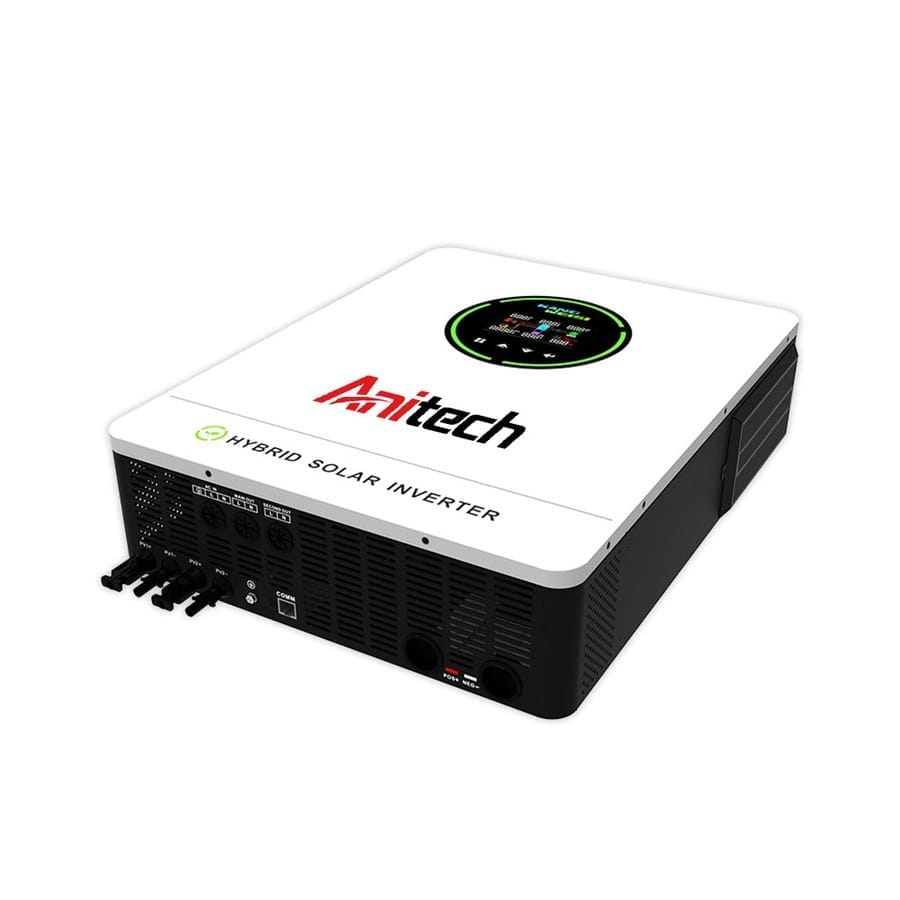
Solar photovoltaic technology has changed significantly over the past decades. Early solar systems were mainly focused on converting available sunlight into electricity, but modern photovoltaic applications require much higher levels of efficiency, flexibility, and intelligent control. As solar installations become larger and more integrated with battery storage, energy management platforms, and diverse electrical loads, the inverter has become one of the most important components determining overall system performance.
An MPPT solar inverter represents an important development in photovoltaic conversion technology because it does more than simply transform DC electricity into AC power. It continuously analyzes the operating conditions of the photovoltaic array and adjusts electrical parameters to help solar modules operate closer to their maximum power point.
The reason this technology matters is that solar panels do not generate a fixed amount of electricity. Their output changes constantly due to sunlight intensity, module temperature, shading conditions, installation angle, atmospheric conditions, and electrical characteristics. Even when the same solar panel is installed in the same location, its power output can vary significantly throughout the day.
Without an effective tracking system, a photovoltaic array may operate away from its ideal point and lose part of the available energy potential. An MPPT solar inverter helps solve this challenge by dynamically controlling the relationship between voltage and current from the PV array.
However, MPPT technology is only one part of a successful solar system. The inverter must also match the photovoltaic design, battery requirements, electrical loads, and long-term operating objectives. Factors such as MPPT voltage range, input current capacity, number of trackers, conversion efficiency, monitoring functions, and protection systems all influence practical performance.
This article explains how MPPT solar inverter technology works, why maximum power point tracking improves solar generation, how different MPPT designs affect system performance, and what factors should be considered when selecting an inverter for residential, commercial, and energy storage applications.
What Is an MPPT Solar Inverter?
An MPPT solar inverter is a photovoltaic inverter equipped with Maximum Power Point Tracking technology that continuously adjusts the electrical operating conditions of solar panels to capture the highest available power output.
A photovoltaic module has a specific relationship between voltage, current, and power. At any given moment, there is one operating point where the combination of voltage and current produces the highest power. This point is known as the Maximum Power Point.
The challenge is that this point is not fixed. Solar conditions are constantly changing. When sunlight becomes stronger, the available current from the PV module increases. When temperature rises, module voltage typically decreases. When shading affects part of a solar array, the electrical characteristics of the system can change significantly.
An MPPT solar inverter monitors these changes and adjusts its input operation accordingly. Instead of allowing the PV array to operate at a fixed voltage, the inverter searches for and maintains the operating condition that provides the highest available power.
The role of MPPT can be compared to an intelligent energy optimization process. The solar modules generate available energy, while the MPPT controller determines how the inverter should interact with those modules to capture that energy most effectively.
Modern MPPT solar inverters are widely used because they improve system adaptability. They allow photovoltaic installations to maintain better performance under real-world conditions where solar resources are rarely constant.
The inverter is therefore not simply a converter between DC and AC electricity. It becomes an intelligent control device that manages the relationship between solar generation and energy conversion.
How Maximum Power Point Tracking Works Inside an Inverter
To understand MPPT operation, it is important to understand the electrical behavior of photovoltaic modules.
A solar panel does not produce unlimited power. Its output depends on the relationship between voltage and current. If voltage is increased or decreased, current also changes. The result is a unique power curve where one point represents the highest possible output under current conditions.
The MPPT controller continuously measures PV electrical characteristics and adjusts the inverter input conditions to locate this point.
The process generally involves three steps:
First, the inverter measures the current operating voltage and current of the photovoltaic array. These measurements allow the control system to calculate the current power output.
Second, the MPPT algorithm analyzes whether changing the operating point would increase or decrease available power. If a different voltage or current combination could produce higher output, the controller adjusts the operating conditions.
Third, the system continues this process repeatedly throughout operation. Because solar conditions change continuously, MPPT is not a one-time adjustment but an ongoing optimization process.
This dynamic adjustment allows an MPPT solar inverter to respond to:
- changing sunlight intensity
- temperature fluctuations
- cloud movement
- partial shading
- different PV array conditions
The effectiveness of this process depends on the quality of the MPPT algorithm, inverter hardware, sampling speed, and system design.
A high-quality MPPT system does not create additional solar energy. Instead, it helps ensure that available solar energy is captured more effectively before conversion into AC electricity.
Understanding the PV Curve and Maximum Power Point
The concept of the PV curve is fundamental to understanding why MPPT technology is necessary.
A photovoltaic module has two important electrical relationships: the current-voltage curve and the power-voltage curve.
The current-voltage curve shows how current changes as voltage changes. At lower voltage levels, PV modules can usually provide higher current. As voltage increases, current gradually decreases.
The power-voltage curve combines these two factors. Since power equals voltage multiplied by current, the curve reaches a peak where the product of voltage and current is highest. This peak represents the maximum power point.
The position of this point changes depending on environmental conditions.
For example, when solar irradiance increases, the maximum power point generally moves upward because the PV module can produce more current.
When temperature increases, module voltage typically decreases, causing the maximum power point to shift.
When shading affects the PV array, the curve can become more complex, creating multiple possible power points. This is one reason advanced MPPT technology is valuable because it needs to identify the true optimal operating condition rather than simply following a fixed setting.
An MPPT solar inverter uses these electrical characteristics as the foundation for optimizing solar energy production.
Why Solar Panel Output Changes Throughout the Day
Many users assume that solar panels produce a predictable amount of electricity whenever sunlight is available. In reality, photovoltaic output changes continuously throughout the day.
The most obvious factor is sunlight intensity. Solar radiation varies depending on time, weather conditions, cloud coverage, and atmospheric conditions. A solar array producing high output under direct sunlight may produce significantly less during cloudy periods.
Temperature is another important factor. Although stronger sunlight increases generation potential, higher module temperatures can reduce voltage output. This means extremely hot conditions do not always result in maximum energy production.
Installation orientation also affects the operating point. Panels facing different directions receive different amounts of sunlight throughout the day, which can create different electrical characteristics between PV groups.
Shading creates another challenge. Partial shading from nearby structures, vegetation, or environmental changes can affect individual modules and alter the overall PV curve.
Because these conditions change continuously, a fixed inverter operating point cannot always maximize available energy. An MPPT solar inverter provides the adaptability required for real-world photovoltaic operation.
Different MPPT Algorithms Used in Solar Inverters
The performance of an MPPT solar inverter depends partly on the algorithm used to locate and maintain the maximum power point. Different algorithms use different approaches to analyze PV behavior.
One commonly used method is Perturb and Observe, often called P&O. This approach slightly adjusts the operating voltage and observes whether power output increases or decreases. If the change improves power production, the algorithm continues in that direction. If output decreases, it reverses the adjustment.
The advantage of P&O is simplicity and relatively easy implementation. However, under rapidly changing sunlight conditions, it may temporarily move away from the true maximum power point because it relies on observing changes after adjustments.
Another approach is Incremental Conductance. This method analyzes the relationship between changes in current and voltage to determine whether the operating point is above or below the maximum power point. It can respond more accurately under rapidly changing conditions but generally requires more complex control calculations.
Modern MPPT solar inverters may also incorporate advanced control methods designed to improve tracking speed and accuracy.
The choice of algorithm affects how quickly and accurately the inverter responds to changing conditions. However, practical performance also depends on hardware quality, system design, and installation conditions.
A sophisticated MPPT algorithm cannot compensate for an incorrectly designed PV array. The inverter and photovoltaic system must still be properly matched.
Single MPPT vs Multiple MPPT Solar Inverter Design
One of the most important design considerations when selecting an MPPT solar inverter is the number of independent MPPT channels available. While the basic function of MPPT remains the same, the number of trackers can significantly influence how effectively the inverter manages different photovoltaic array conditions.
A single MPPT inverter treats all connected PV strings as one electrical group. This approach works well when all solar modules have similar characteristics, including the same orientation, tilt angle, shading conditions, and environmental exposure.
For example, a simple rooftop installation where all panels face the same direction and receive similar sunlight throughout the day may operate effectively with a single MPPT channel.
However, many real-world installations are more complex. Buildings often have multiple roof surfaces, different panel orientations, or areas affected by partial shading. In these situations, forcing all PV strings to operate together can reduce energy harvesting because different sections of the array may have different optimal operating points.
A multiple MPPT solar inverter allows separate PV groups to operate independently. Each MPPT channel can track the maximum power point of its connected PV string group, improving flexibility and reducing the impact of differences between array sections.
The advantages of multiple MPPT designs include:
| System Condition | Single MPPT Design | Multiple MPPT Design |
|---|---|---|
| Same roof orientation | Suitable | Suitable |
| Different roof directions | Limited optimization | Better adaptation |
| Partial shading | More affected | Better management |
| Multiple PV string groups | Less flexible | More flexible |
| Complex commercial installations | May create limitations | Better suited |
However, more MPPT channels do not automatically mean better performance. The system should be designed according to actual PV conditions. An unnecessarily complex MPPT configuration may increase system complexity without creating meaningful energy improvements.
The correct approach is to analyze the photovoltaic layout first and then select an MPPT solar inverter that matches the physical characteristics of the installation.
How Partial Shading Affects MPPT Performance
Partial shading is one of the most challenging conditions for photovoltaic systems because it changes the electrical behavior of solar modules.
Unlike traditional electrical sources, solar panels are directly affected by environmental conditions. When one section of a PV array receives less sunlight than another, the shaded modules may produce lower current, creating an imbalance within the string.
This can cause the PV curve to become more complicated. Instead of having one obvious maximum power point, partially shaded arrays may create multiple local peaks. The inverter must identify the actual global maximum power point to capture the highest available energy.
A high-quality MPPT solar inverter uses advanced tracking strategies to respond to these conditions. However, inverter technology alone cannot eliminate all shading losses. Proper PV system design remains essential.
Several methods can help reduce the impact of shading:
- designing PV strings according to actual sunlight conditions
- separating different roof orientations into independent MPPT channels
- avoiding unnecessary mixing of shaded and unshaded modules
- selecting suitable module layouts during system planning
For example, connecting panels from a heavily shaded area together with panels receiving full sunlight may force the entire group to operate under less favorable conditions.
The inverter, PV array, and installation environment must therefore be considered together. MPPT technology provides optimization capability, but good system design determines how effectively that capability can be used.
The Relationship Between MPPT Efficiency and Solar Energy Yield
When discussing MPPT solar inverter performance, it is important to understand the relationship between tracking efficiency and total energy production.
MPPT efficiency describes how accurately the inverter can locate and maintain operation near the maximum power point of the PV array. A higher tracking efficiency means less available solar energy is lost during the conversion process.
However, daily energy yield depends on many factors beyond MPPT performance.
The total energy produced by a solar system is influenced by:
- solar radiation availability
- module efficiency
- PV array orientation
- shading conditions
- inverter conversion efficiency
- temperature effects
- system losses
- electrical configuration
This means a high-performance MPPT solar inverter works best when combined with proper photovoltaic design.
For example, an inverter with advanced tracking technology cannot fully compensate for an incorrectly sized PV string. If the string voltage operates outside the ideal MPPT range, the inverter may not be able to achieve optimal tracking performance.
Similarly, excessive input current or poor module arrangement can limit the inverter’s ability to maximize energy production.
The practical goal is not simply to purchase the inverter with the highest technical specifications. The goal is to create a balanced system where PV modules, inverter inputs, and operating conditions work together efficiently.
MPPT Solar Inverter and PV String Design Principles
PV string design is one of the most important factors affecting MPPT solar inverter performance. Even advanced inverter technology depends on receiving suitable DC input conditions.
A photovoltaic string consists of multiple solar modules connected in series. The number of modules determines the string voltage, while the number of parallel strings determines the total input current.
Both voltage and current must remain within the inverter’s supported range.
Voltage Considerations
The first consideration is maximum DC voltage. Solar modules produce higher voltage under certain conditions, particularly at lower temperatures. Therefore, designers must calculate the highest possible string voltage and ensure it remains below the inverter’s maximum input limit.
At the same time, the normal operating voltage of the string should remain inside the MPPT tracking range. A string that operates too far outside this range may reduce energy harvesting efficiency.
Current Considerations
Current is also critical. Adding more parallel PV strings increases total input current. If the current exceeds the inverter’s MPPT input capability, the system may not operate as expected.
The inverter should be selected based on:
| PV Parameter | Design Importance |
|---|---|
| Open-circuit voltage | Prevents excessive DC voltage |
| Operating voltage | Maintains effective MPPT tracking |
| Short-circuit current | Helps evaluate maximum current conditions |
| Number of modules per string | Determines voltage characteristics |
| Parallel string quantity | Determines current input |
| Temperature variation | Influences voltage changes |
A professional PV design considers both normal and extreme operating conditions rather than only average values.
How MPPT Works With Battery Energy Storage Systems
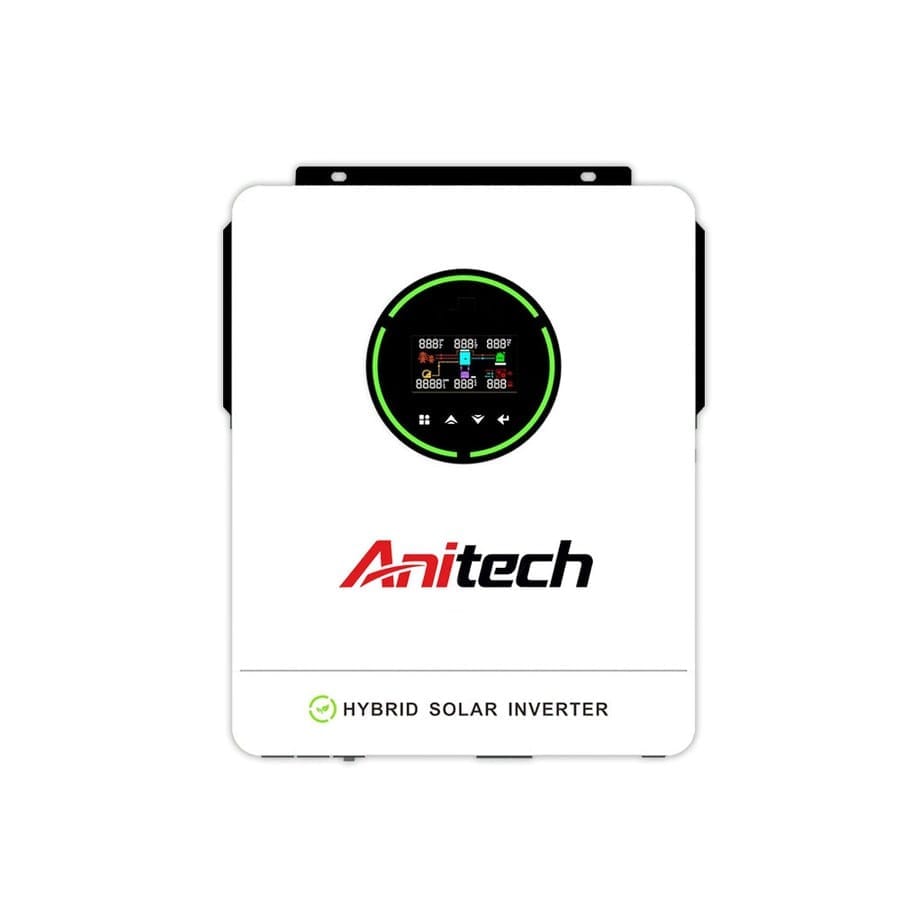
The development of battery storage has changed the role of solar inverters. Modern systems are no longer focused only on converting daytime solar generation into electricity. They increasingly manage energy generation, storage, and consumption as one integrated process.
An MPPT solar inverter connected with a battery system must coordinate two different energy functions.
The first function is photovoltaic optimization. MPPT technology ensures that solar panels generate as much usable energy as possible.
The second function is battery management. The system must determine when to charge the battery, when to use stored energy, and how to maintain battery operation within safe limits.
During periods of strong solar generation, excess energy can be directed toward battery charging. When solar output decreases, stored energy can support electrical loads.
This relationship requires compatibility between:
- inverter voltage range
- battery voltage
- charging current
- discharge capability
- battery management system communication
A battery with large storage capacity does not necessarily guarantee strong system performance. The battery must also provide sufficient power output when the inverter requires it.
For example, a system supporting high-demand electrical equipment may require a battery with stronger discharge capability rather than simply greater storage capacity.
This is why inverter and battery selection should be considered together during system design.
Batterytailor’s solar inverter solutions are designed around photovoltaic conversion requirements and can be evaluated together with storage system needs to create a more coordinated energy solution.
Key Specifications to Evaluate Before Choosing an MPPT Solar Inverter
Selecting an MPPT solar inverter requires careful evaluation of technical specifications. The best inverter is not necessarily the one with the highest rating in one category, but the one whose specifications match the complete solar system.
The most important factors include:
MPPT Voltage Range
The MPPT voltage range determines the operating window where the inverter can effectively track photovoltaic energy. The PV string design should fit within this range during normal operation.
Maximum DC Voltage
This value represents the highest DC input voltage the inverter can safely accept. The PV array must remain below this limit under all expected conditions.
Maximum Input Current
The inverter must support the current produced by the PV strings. Excessive current can reduce performance or create system limitations.
Number of MPPT Channels
The number of trackers affects how flexibly the inverter can manage different PV groups.
Conversion Efficiency
MPPT performance and conversion efficiency are related but different. MPPT focuses on energy extraction from the PV array, while conversion efficiency focuses on reducing losses when changing DC electricity into AC power.
Battery Compatibility
For storage systems, battery voltage, charging capability, communication protocols, and discharge performance must match the inverter.
Monitoring Functions
Monitoring allows users to analyze system production, identify problems, and optimize operation.
A complete specification review should include:
| Specification | Purpose |
|---|---|
| MPPT voltage range | PV optimization capability |
| Maximum DC voltage | PV safety limit |
| Maximum input current | PV compatibility |
| MPPT quantity | Array flexibility |
| AC output rating | Load support |
| Battery voltage range | Storage compatibility |
| Efficiency | Energy conversion performance |
| Monitoring | System analysis |
| Protection functions | Safe operation |
Common MPPT Solar Inverter Selection Mistakes
Although MPPT technology improves solar performance, incorrect system planning can prevent users from achieving expected results.
One common mistake is selecting an inverter only according to total PV power. The total wattage of solar panels does not reveal whether voltage and current characteristics match the inverter.
Another mistake is ignoring temperature effects. PV voltage changes with environmental conditions, so system designers must consider the highest and lowest expected operating temperatures.
Mixing different PV orientations on the same MPPT channel is another frequent issue. Panels facing different directions may have different operating points, reducing overall optimization.
Battery compatibility is also often overlooked in storage applications. A suitable inverter requires a battery that can provide appropriate charging and discharging performance.
Finally, some users focus only on inverter efficiency numbers while ignoring system design. A highly efficient inverter cannot overcome poor PV configuration, incorrect battery selection, or unsuitable load planning.
The best results come from treating the solar system as a complete energy architecture.
MPPT Solar Inverter Applications in Residential and Commercial Systems
The application scenarios of an MPPT solar inverter continue to expand as photovoltaic systems become more diverse. Although the basic principle of maximizing solar energy extraction remains the same, different applications require different inverter characteristics, system configurations, and energy management strategies.
In residential solar installations, the main objective is usually to maximize self-generated electricity while maintaining stable operation of household electrical equipment. Residential PV systems often include limited installation space, multiple roof angles, changing shading conditions, and increasing demand for battery storage. These factors make MPPT performance particularly valuable because the inverter must continuously adapt to changing generation conditions.
For example, a residential building may have solar panels installed on different roof sections. Some panels may receive direct sunlight during the morning, while others perform better in the afternoon. A multiple MPPT solar inverter can help manage these different PV conditions more effectively by allowing separate tracking of different array sections.
Commercial photovoltaic systems often introduce additional complexity. Larger installations may include hundreds or thousands of modules, multiple roof surfaces, ground-mounted arrays, and different operating environments. In these applications, accurate MPPT management becomes increasingly important because even small efficiency improvements can influence total energy production over the system lifetime.
Commercial applications may also integrate energy storage, load management, and monitoring platforms. In these cases, the MPPT solar inverter becomes part of a larger energy management system rather than functioning only as a conversion device.
Typical applications include:
| Application | MPPT Requirements |
|---|---|
| Residential rooftop solar | Flexible tracking for different roof conditions |
| Commercial buildings | Multiple PV string management |
| Industrial solar systems | High current handling and monitoring |
| Battery storage systems | Coordination between PV generation and stored energy |
| Remote power systems | Reliable energy harvesting under variable conditions |
The correct inverter design depends on the actual application. The same MPPT technology may be used across different projects, but the required specifications can vary significantly depending on system size, PV layout, and energy objectives.
How Monitoring Improves MPPT Solar Inverter Performance
Monitoring has become an increasingly important feature of modern photovoltaic systems. An MPPT solar inverter does not simply optimize energy generation internally; it also provides valuable information that helps users understand how the system is operating.
Monitoring platforms can display information such as:
- current PV power generation
- daily and historical energy production
- MPPT operating conditions
- inverter efficiency
- battery charging and discharging status
- system warnings and protection events
This information helps identify whether the photovoltaic system is performing as expected.
For example, if a solar system suddenly produces less energy than usual, monitoring data can help determine possible causes. The issue may come from reduced sunlight, shading, abnormal PV string performance, inverter limitations, or battery-related factors.
Without monitoring, it can be difficult to distinguish between normal changes in solar production and actual system problems.
Monitoring is especially valuable in larger installations where manual inspection of individual components is more difficult. By analyzing operating data, system operators can identify performance changes and take corrective actions more efficiently.
An intelligent MPPT solar inverter therefore provides not only energy optimization but also operational visibility.
Protection Functions in MPPT Solar Inverter Systems
A reliable photovoltaic system requires more than efficient energy conversion. Protection functions are essential for maintaining safe operation under abnormal conditions.
An MPPT solar inverter typically includes multiple protection mechanisms designed to respond to electrical and environmental changes.
Common protection functions include:
- overvoltage protection
- overcurrent protection
- short-circuit protection
- overheating protection
- ground fault protection
- abnormal grid condition protection
- reverse polarity protection
These protections help prevent damage to inverter components, PV modules, batteries, and connected electrical equipment.
The PV side and AC side have different electrical characteristics, so protection design must consider the entire system architecture. For example, the DC side can experience high voltage from photovoltaic strings, while the battery side may involve high current during charging and discharging.
Proper protection also depends on installation quality. Incorrect wiring, unsuitable protective devices, poor grounding, or inadequate environmental conditions can reduce the effectiveness of built-in protection functions.
Therefore, protection should not be considered only as an inverter feature. It is part of a complete solar system design involving equipment selection, electrical installation, and ongoing maintenance.
Installation Factors That Affect MPPT Solar Inverter Performance
Even the most advanced MPPT solar inverter depends on correct installation to achieve expected performance. Poor installation decisions can reduce energy production, create unnecessary losses, and shorten equipment lifespan.
One important factor is inverter placement. The installation environment affects temperature management and reliability. Excessive heat can influence electronic components and may cause the inverter to reduce output under certain conditions.
Ventilation is particularly important because inverters generate heat during operation. Adequate airflow allows the cooling system to maintain appropriate operating temperatures.
Electrical connections are another critical factor. DC cables between PV modules and the inverter must be correctly sized according to voltage, current, and cable length. Incorrect cable selection can create voltage losses and reduce system efficiency.
The PV array layout also affects MPPT performance. Modules connected to the same MPPT input should ideally have similar operating conditions. Combining panels with significantly different orientations or shading patterns may reduce optimization effectiveness.
Important installation considerations include:
| Installation Factor | Impact on MPPT Performance |
|---|---|
| Inverter temperature | Affects electronic efficiency and reliability |
| Cable sizing | Influences electrical losses |
| PV string design | Determines MPPT operating conditions |
| Module orientation | Affects energy generation pattern |
| Shading management | Influences tracking performance |
| Ventilation | Supports stable operation |
Professional installation ensures that the inverter can operate within its designed conditions.
How to Maintain an MPPT Solar Inverter for Long-Term Reliability
Although modern solar inverters are designed for long-term operation, regular maintenance helps preserve performance and identify potential issues before they become serious problems.
The first step is reviewing system monitoring information. Historical data can reveal gradual changes in performance, such as reduced generation, abnormal operating temperatures, or unexpected shutdown events.
Physical inspection is also important. The inverter environment should remain clean, dry, and properly ventilated. Dust accumulation or blocked airflow can affect thermal performance.
Electrical connections should be checked periodically. Loose terminals, damaged cables, or signs of overheating may reduce efficiency or create safety concerns.
The PV array should also be inspected because MPPT performance depends directly on solar input quality. Problems such as damaged modules, connector issues, or unexpected shading can reduce energy generation.
A maintenance approach should focus on prevention rather than reaction. Regular checks allow system owners to maintain stable operation and maximize the useful life of the complete solar installation.
Future Trends of Intelligent MPPT Solar Inverter Technology
The future development of MPPT solar inverter technology is closely connected with the increasing intelligence of renewable energy systems.
Traditional inverters mainly focused on power conversion, but modern systems are becoming more focused on energy management. The inverter is increasingly responsible for coordinating photovoltaic generation, battery storage, electrical loads, and grid interaction.
One important trend is the integration of smarter algorithms. Advanced control systems may analyze larger amounts of operational data and improve tracking performance under complex conditions such as rapidly changing weather or partial shading.
Another trend is stronger integration with energy storage. As battery systems become more common, MPPT solar inverters are expected to provide more advanced communication and coordination with battery management systems.
Remote monitoring and digital management are also becoming more important. Users increasingly expect real-time information about energy production, system status, and performance optimization.
Future MPPT systems may become more adaptive by combining historical operating data, weather information, and energy consumption patterns to improve overall system efficiency.
The development direction is clear: the inverter is evolving from a simple conversion device into an intelligent energy management platform.
How to Choose the Right MPPT Solar Inverter for Your System
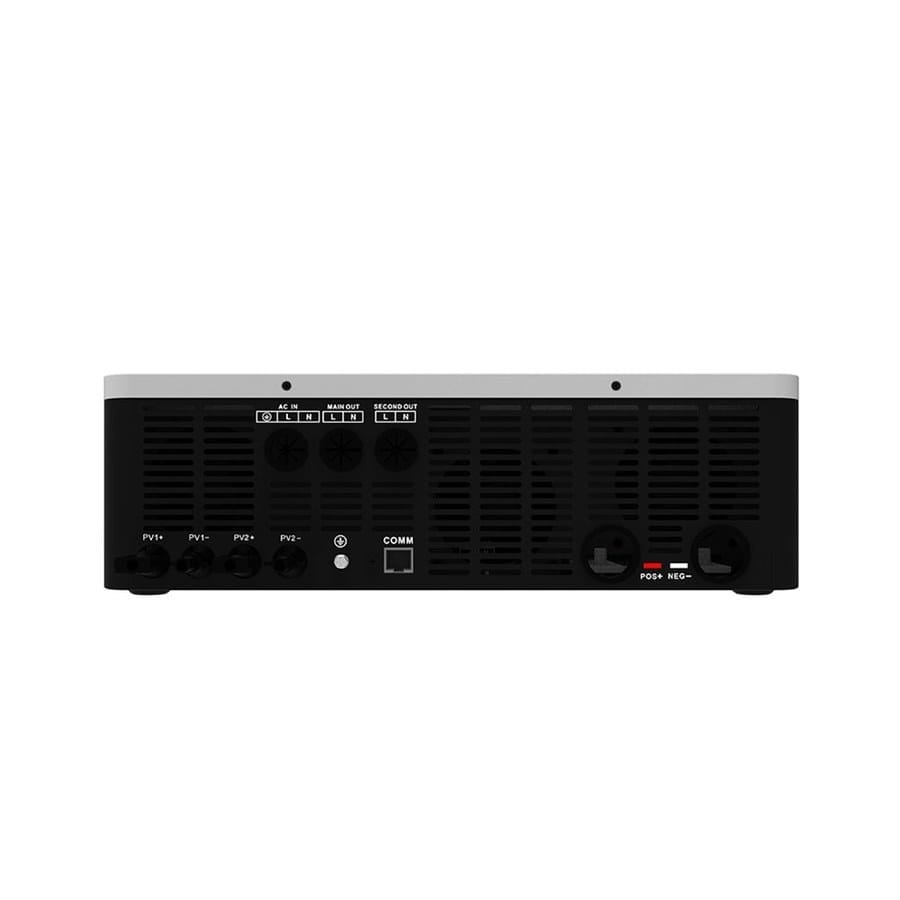
Selecting an MPPT solar inverter requires understanding the complete energy system rather than focusing on one specification.
The first step is analyzing the photovoltaic array. The inverter must support the planned PV voltage, current, power level, and string configuration.
The second step is evaluating the electrical application. Residential systems, commercial projects, backup systems, and storage applications may have different requirements.
The third step is considering future development. A system that may later add batteries, increase PV capacity, or support additional loads may require a different inverter configuration.
Important questions include:
- How many PV strings will be connected?
- Do different roof sections have different orientations?
- Will battery storage be included?
- What are the expected electrical loads?
- Are there sensitive electronic devices?
- Is future expansion required?
A suitable MPPT solar inverter should provide enough flexibility for current needs while maintaining compatibility with future system changes.
The goal is not simply to choose the most powerful inverter. The goal is to choose the inverter that best matches the actual energy architecture.
Conclusion
An MPPT solar inverter plays a critical role in improving photovoltaic system performance by continuously optimizing the relationship between solar panels and energy conversion. Unlike simple conversion devices, it actively responds to changing environmental conditions and helps capture more available solar energy.
The effectiveness of MPPT technology depends on many factors, including PV string design, inverter configuration, shading conditions, battery integration, installation quality, and monitoring capability.
A well-designed solar system requires every component to work together. Solar modules must provide suitable input conditions, the inverter must manage energy efficiently, batteries must support storage requirements, and electrical loads must match system capability.
By selecting a properly matched MPPT solar inverter and designing the complete photovoltaic system carefully, users can achieve more reliable energy production, improved efficiency, and stronger long-term system performance.
FAQ
What is an MPPT solar inverter?
An MPPT solar inverter is a photovoltaic inverter equipped with Maximum Power Point Tracking technology. It continuously adjusts the operating point of solar panels to capture the highest available power under changing sunlight, temperature, and environmental conditions.
Why is MPPT important in a solar inverter?
MPPT helps solar systems operate closer to their maximum power output by adjusting voltage and current conditions. Because photovoltaic generation changes throughout the day, MPPT technology allows the inverter to adapt and improve overall energy harvesting.
Is a solar inverter with multiple MPPT better?
A multiple MPPT solar inverter can provide advantages when PV panels have different orientations, shading conditions, or installation layouts. However, the best choice depends on the actual system design rather than the number of MPPT channels alone.
Can an MPPT solar inverter work with battery storage?
Yes, many MPPT solar inverters can be integrated with battery storage systems. The inverter and battery must have compatible voltage ranges, charging capabilities, discharge limits, and communication functions for reliable operation.
How can I improve MPPT solar inverter performance?
Performance can be improved through proper PV string design, suitable inverter selection, correct installation, regular monitoring, and maintenance. MPPT technology works most effectively when the entire solar system is designed as a coordinated solution.
Need Help Choosing the Right MPPT Solar Inverter?
If you’re unsure which MPPT solar inverter matches your photovoltaic array, battery storage requirements, system size, or energy goals, our experts are here to help. Contact us today for a personalized consultation and build a reliable solar power solution designed around your application needs.